Effective Branding Solutions for a Sustainable Future!

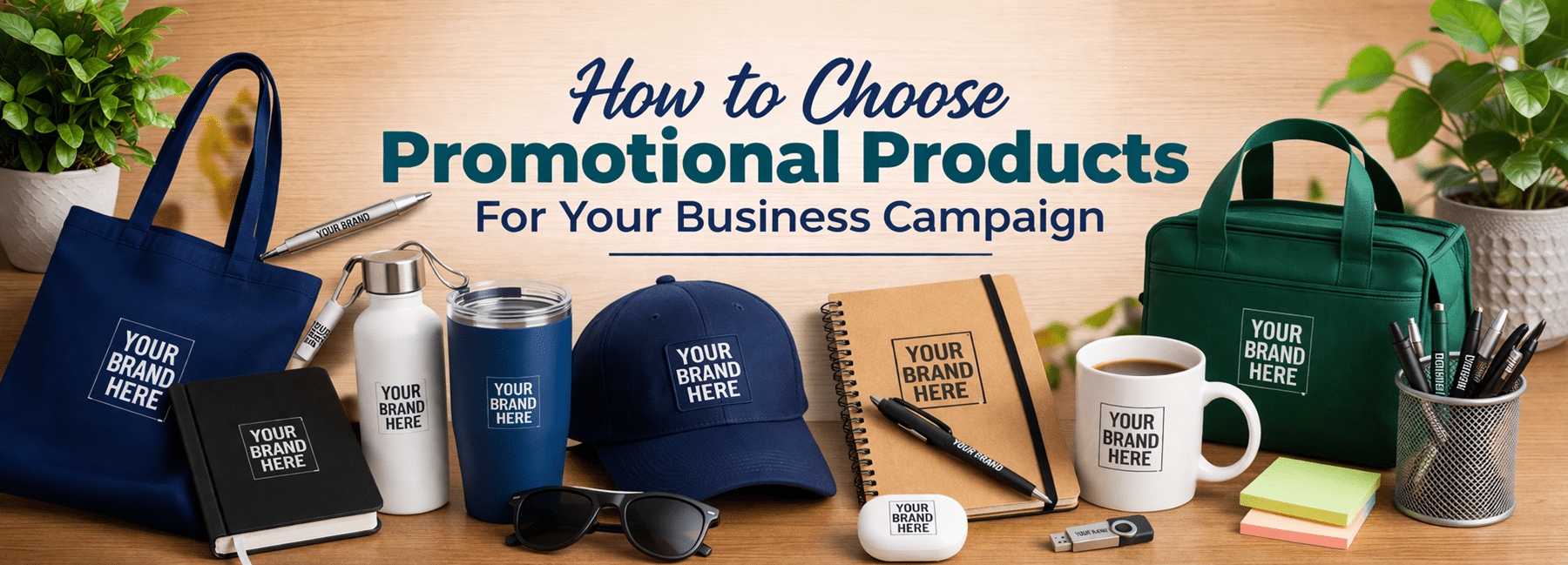
Promotional product marketing is applied at the planning stage of campaigns where product selection, branding, and distribution align with specific business activity. This promotional products guide focuses on how promotional merchandise use is structured across events, client engagement, and internal operations, where product choice is tied directly to environment and purpose. Across promotional products Australia, a defined promotional product strategy aligns products with audience, setting, and visibility requirements to maintain consistent brand presence.
A branded merchandise guide supports promotional product planning by linking product selection to real use conditions. Promotional product selection is determined by how items are applied, how branding appears in use, and how campaigns are structured over time. This maintains alignment between promotional campaign planning and business promotional products across different applications.






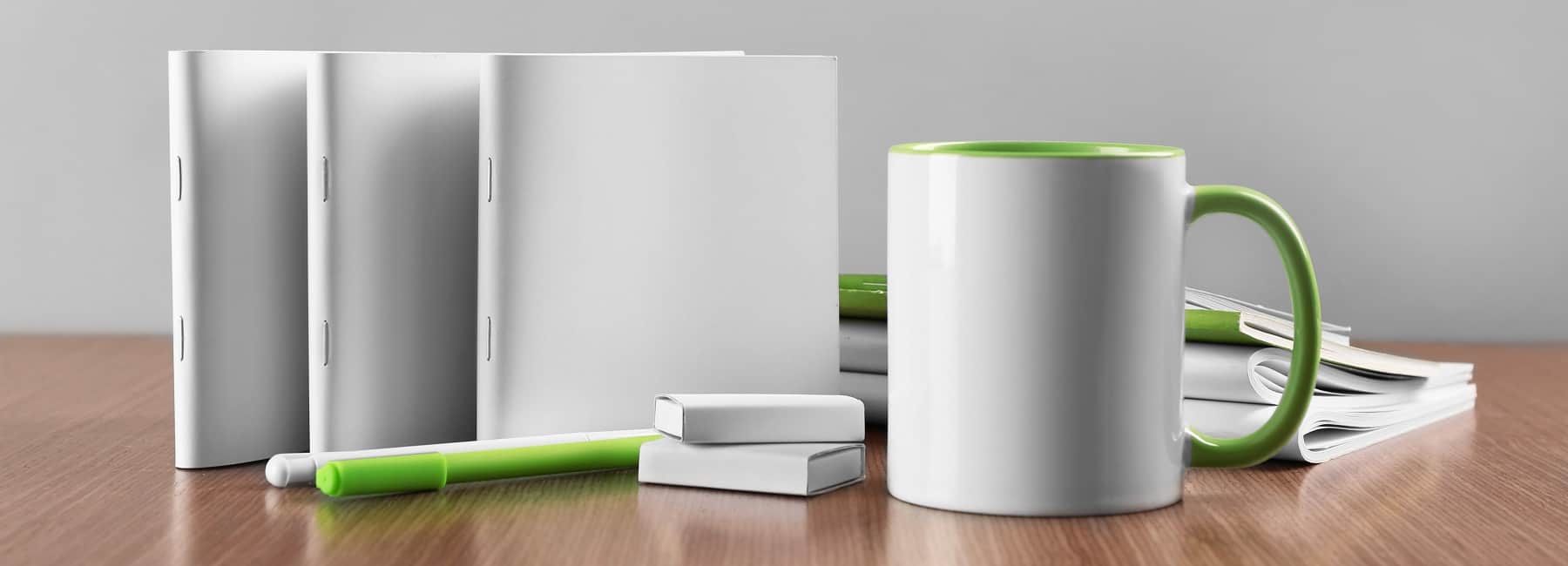
Promotional products remain part of business marketing because they place branding into environments where it is repeatedly seen. Promotional merchandise use extends brand presence across workplaces, events, and client-facing settings where items are handled, displayed, and reused. This sustained visibility operates within promotional product marketing as part of broader campaign activity.
Promotional product insights indicate that product relevance is determined by how well the item fits its environment. Products selected for practical use remain visible through repeated interaction, while items with limited application have reduced exposure. A promotional product strategy aligns product choice with context so visibility is maintained through normal use.
Promotional product selection is defined by how the product performs within the setting rather than general appeal. Each product corresponds to a specific role within the campaign.
Promotional product planning is structured around use, audience, and visibility, where product selection aligns with the environment in which the item appears. Promotional campaign planning separates event-based distribution, internal use, and client-facing activity so that each product is applied within a defined context rather than used interchangeably.
Promotional product strategy is shaped by the relationship between the audience receiving the product, the setting where it is used, and the level of visibility the branding achieves during normal use. Frequency of interaction and exposure within that environment determine how consistently the product maintains brand presence.
This structure maintains consistency in promotional product marketing and supports a branded merchandise strategy based on function and context. A promotional products guide provides a consistent reference point so promotional product selection reflects real use conditions across different campaign types.
Promotional product selection reflects how products are used and where they are seen. Promotional product insights indicate that items with ongoing use maintain consistent visibility across business environments.
For example, promotional drinkware is used in workplaces and meeting environments where repeated use supports continuous exposure. In contrast, promotional bags are used in events and conferences where the product moves through public settings and extends visibility beyond the initial recipient.
These distinctions define promotional merchandise use. A branded merchandise guide aligns product selection with the correct environment so promotional product marketing remains connected to how products function in use.
Branding affects how promotional products are recognised once they are in use. Material, surface area, and handling influence how clearly branding appears and how consistently it is seen.
Branded merchandise strategy requires alignment between the product and the branding applied to it. Promotional product marketing depends on clear and suitable branding so the product supports recognition within its environment.
Promotional product selection includes consideration of how branding is applied across different materials and product types. For further detail on branding application, see branding options and solutions. For broader product direction beyond these planning considerations, our promotional products range supports a wide mix of campaign and business applications.
Promotional product planning becomes inconsistent when product selection is not aligned with audience, environment, or intended use. Selecting products without a defined role reduces relevance within the campaign.
Common issues within promotional product marketing include selecting products with limited practical use, applying branding that does not suit the product, or using the same product approach across different campaign types. These conditions reduce the effectiveness of promotional merchandise use because the product does not match the context in which it appears.
A structured promotional products guide aligns promotional product selection with promotional campaign planning and branded merchandise strategy. This maintains consistency across business promotional products and supports correct application.
Promotional product insights support long-term consistency by identifying how products perform across different business environments. Promotional products Australia are used across events, workplaces, and client engagement, where product relevance is defined by how the item fits those settings.
A defined promotional product strategy maintains alignment by selecting products based on use, visibility, and branding suitability. Promotional product marketing remains effective when promotional merchandise use is connected to ongoing business activity rather than isolated distribution.
A branded merchandise guide provides a reference point for continued promotional product planning, supporting consistent use of business promotional products across campaigns.
