Effective Branding Solutions for a Sustainable Future!



Promotional product printing methods are applied based on how branding interacts with the product surface. Flexible materials require techniques that maintain shape during use, while rigid surfaces require stable application that does not affect the finish.
Artwork must align with the selected method. Print-based applications require files that retain colour accuracy and defined edges, while stitch-based applications require simplified artwork that can be translated into thread without distortion. Full colour promotional printing is used where surface compatibility allows detailed artwork reproduction.
Material selection determines how promotional product decoration performs over time. Smooth finishes allow precise application, while textured materials require methods that adapt without affecting clarity. When branding is applied to promotional stationery, the surface coating influences how detail is retained. Items used within corporate promotional products require methods that maintain presentation consistency across different environments.
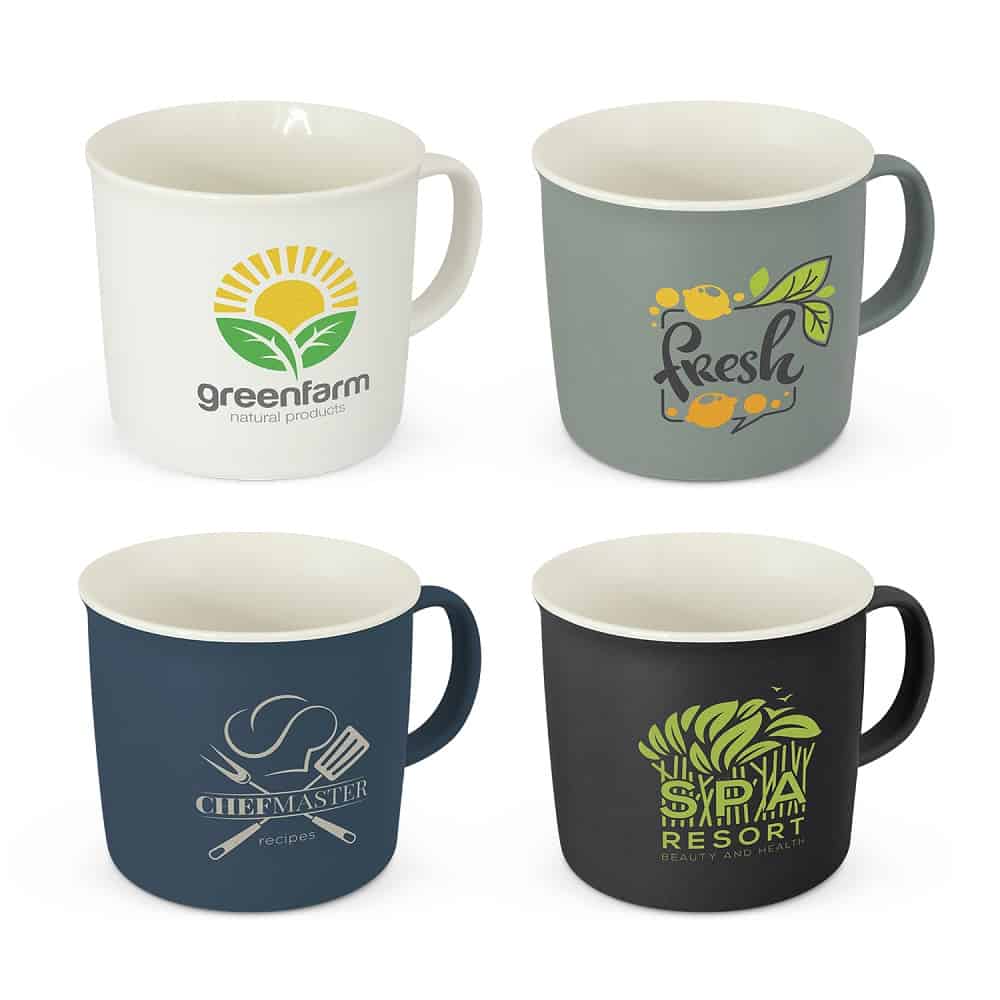
Pad printing uses a silicone pad to transfer an image to a product from a printing plate. It has the ability to reproduce images on uneven or curved products and print multiple colours in a single pass with close registrations.
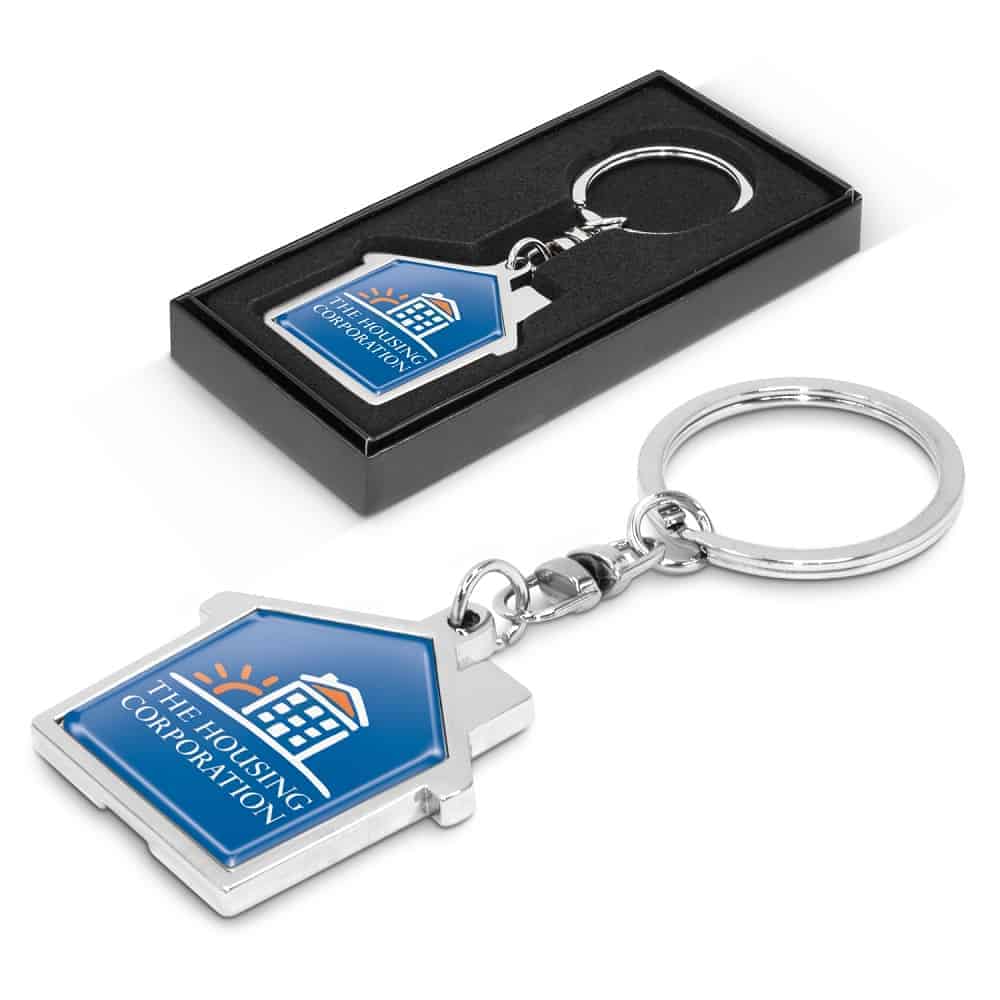
Full colour resign coated labels. This branding is produced by printing spot or full colour design artwork onto vinyl material which is then coated with a crystal-clear resin. The strong adhesive on the back of the label is then used as a permanent bond to the product.
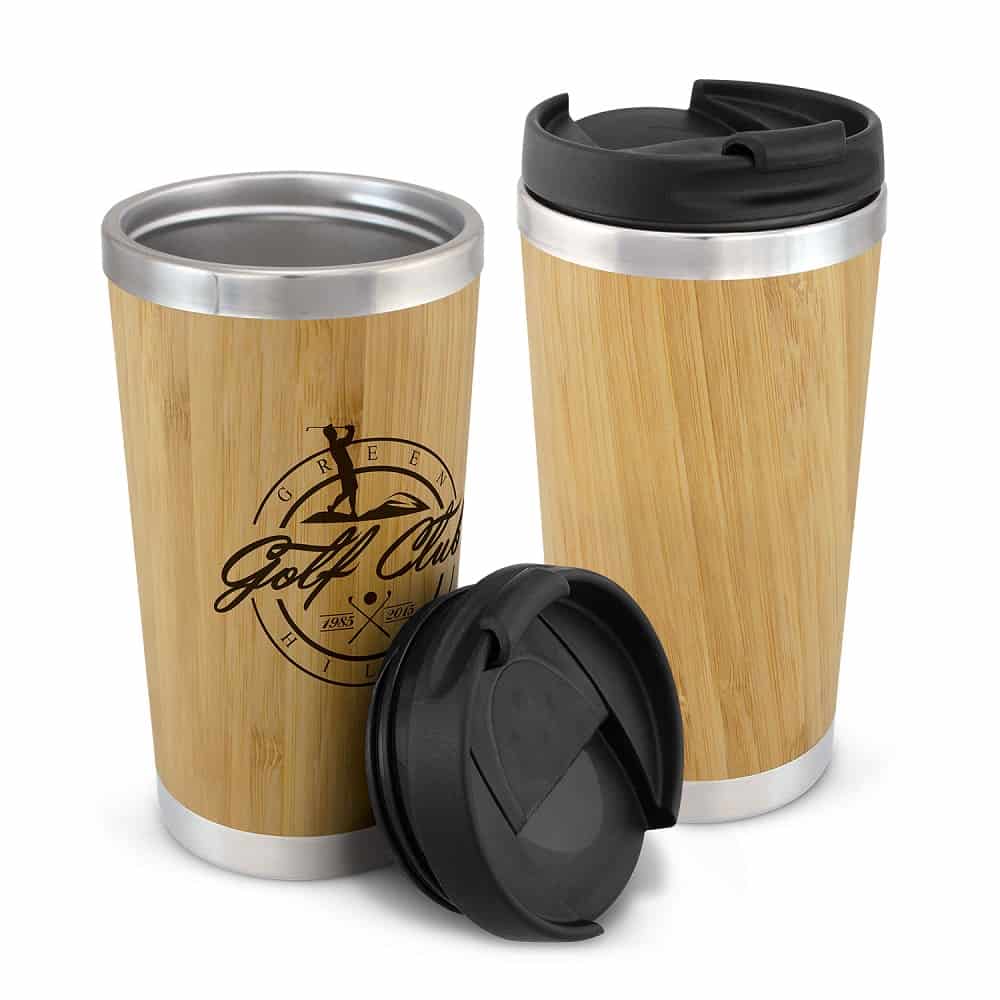
Rotary Screen Printing is ideal for all cylindrical objects, this is achieved by forcing ink through a fine mesh screen with a squeegee directly onto the product.
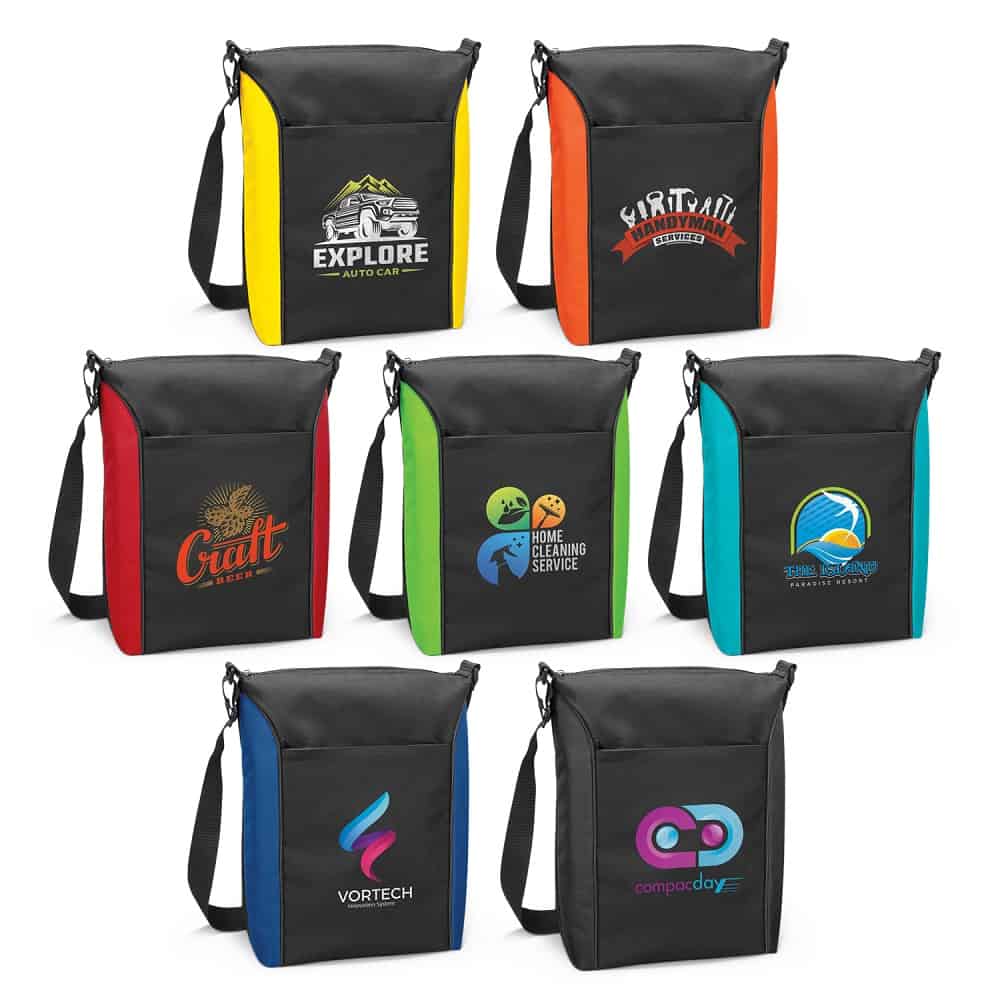
A digital transfer is a CMYK+W printing method used to brand fabric type materials. The artwork is printed on transfer paper with a digital printer, then heat pressed onto the product.
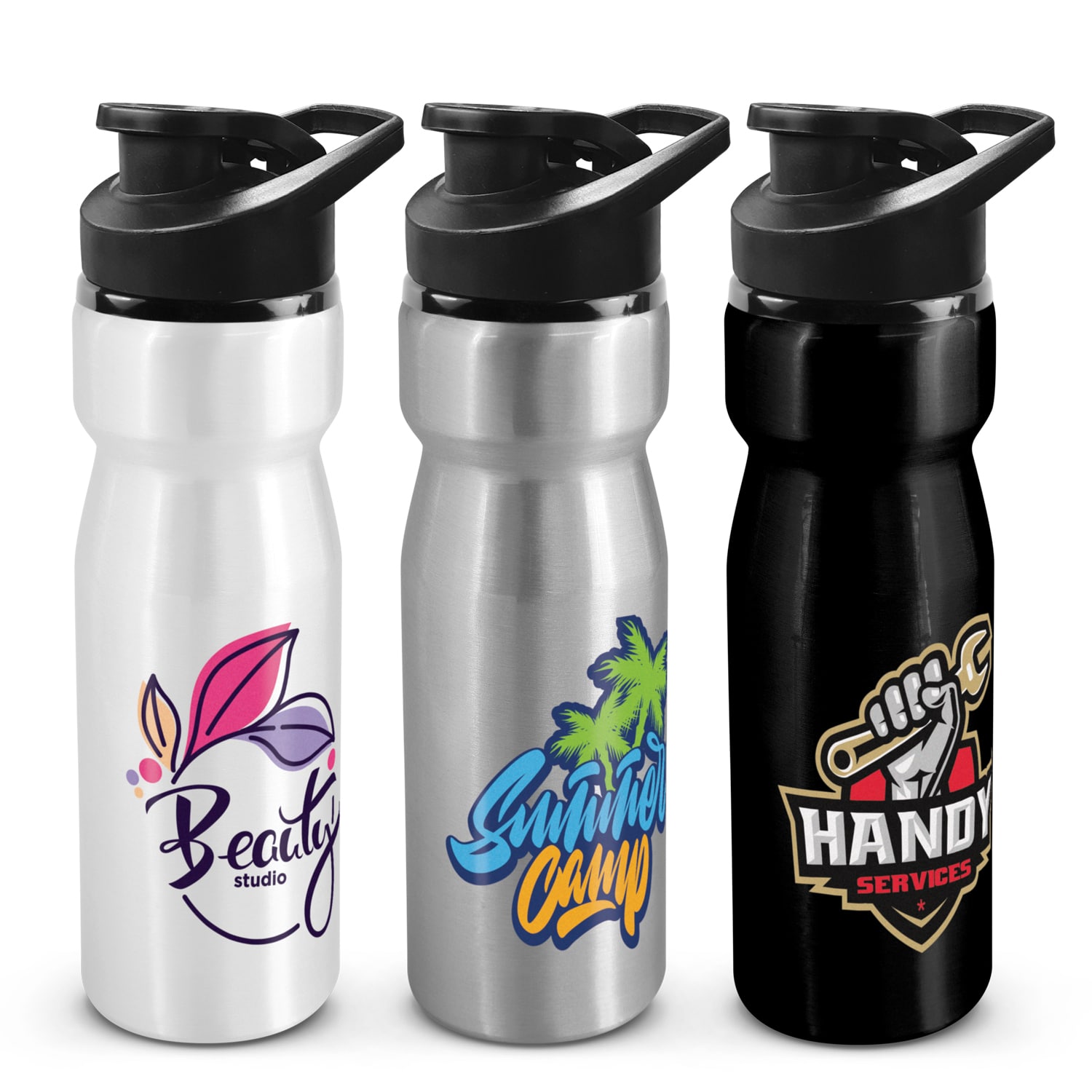
Rotary digital printing involves the direct transfer of UV ink directly to the product via a printing head and used to produce detailed artwork using both closely matched spot colours and full colour branding.
Advantages
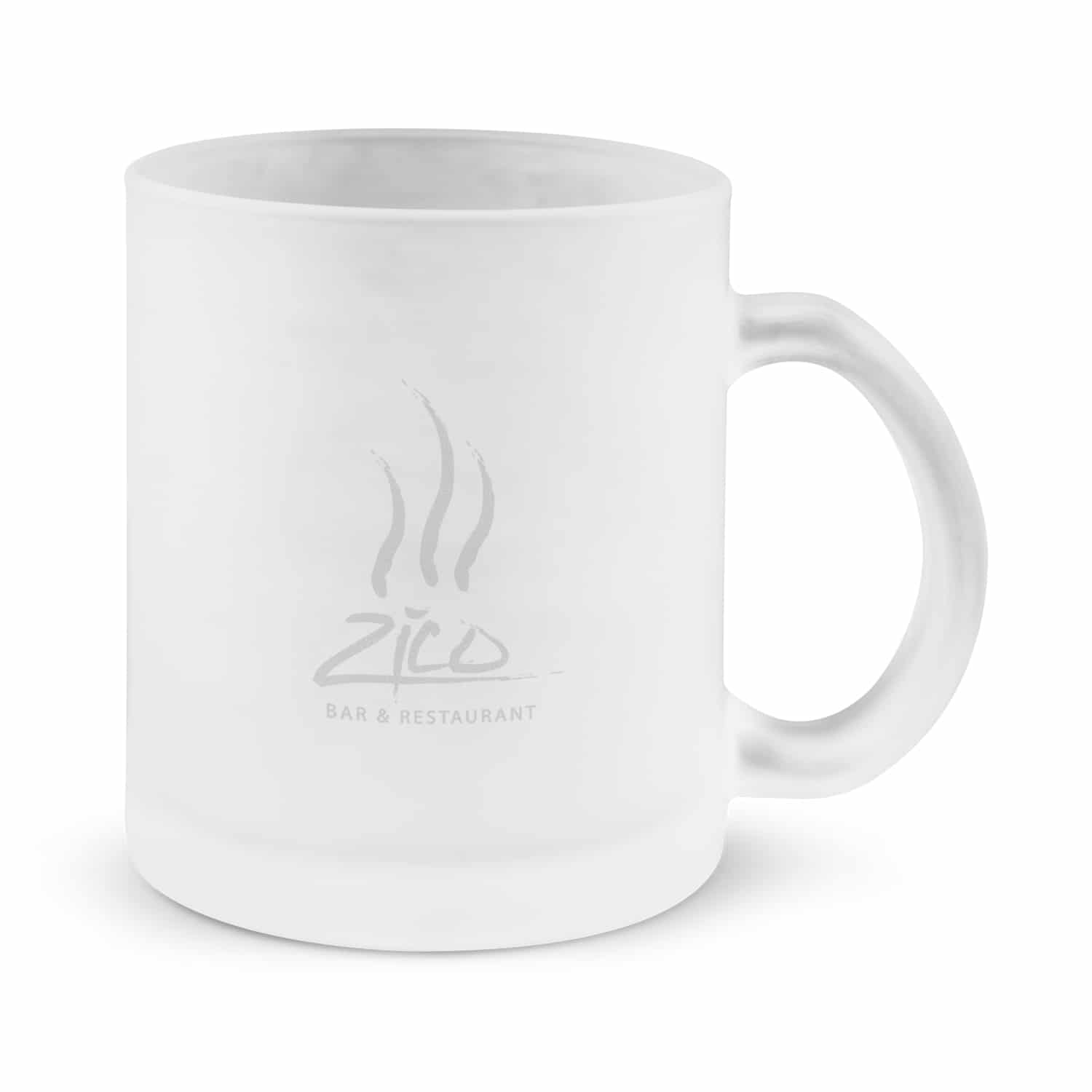
Imitation etch is a special printing ink used for pad printing products to producing an etch-like visual effect on glass.
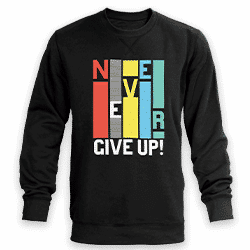
DigiFlex Transfer is a DTF or Direct to Film digital transfer process, used for branding apparel and fabrics.
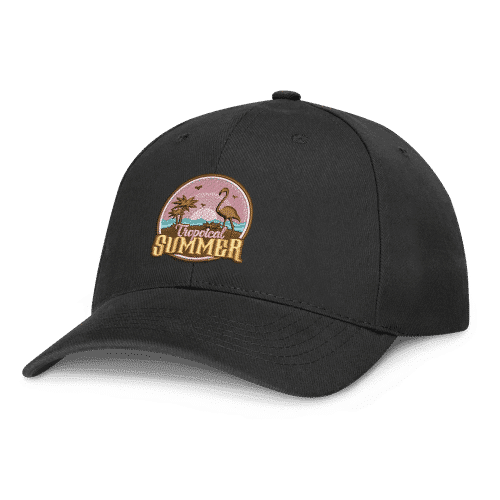
Faux Embroidery is a Colourflex® Transfer with the supplied artwork digitised to create a texture and depth that mimics traditional embroidery. Suitable for branding bags, apparel and other textile products with unlimited colours.
Advantages
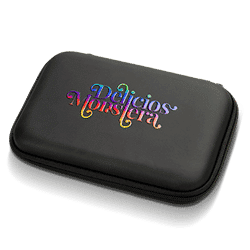
Prism Digital Print is a UV-DTF (Direct to Film) process. It uses CMYK + White + Varnish, and the inks used are UV inks that print directly onto film that is cured by a UV light, laminated and applied directly to the object like a sticker. This eliminates the need for heat presses or powders. It is then applied to the surface of the product, creating a vibrant, durable and high-resolution logo on the product.
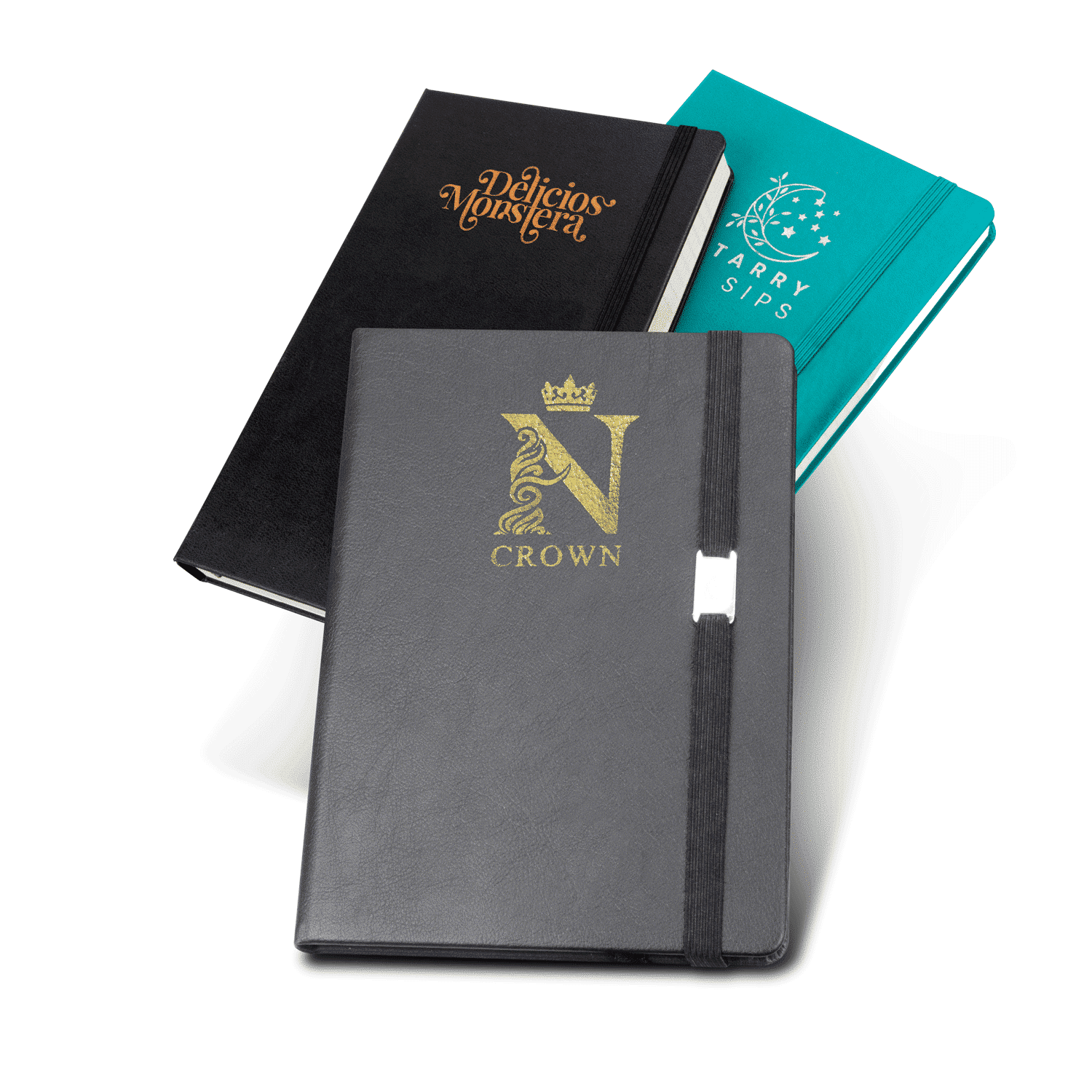
Foil Printing is a printing method that applies a metallic foil onto a flat surface using heat and pressure. However, this method utilises modern digital foiling, which is more cost-effective and eliminates the need for plates or stamps, allowing for direct printing from a digital file to the product.
The printing will inherit the texture of the substrate, so textured notebooks will cause the foil to reflect that texture. The foil finish will vary slightly when applied to soft-touch PU compared to Standard PU due to the different substrates. The available foil colour options include Gold, Silver, and Copper.
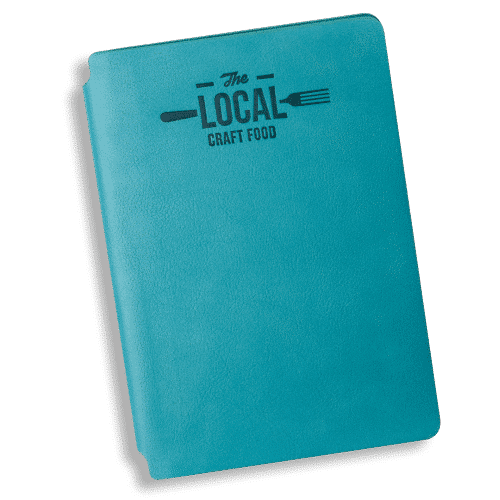
Thermo debossing is only available on certain products, using additional heat to create a unique and eye-catching two-tone finish.
Advantages
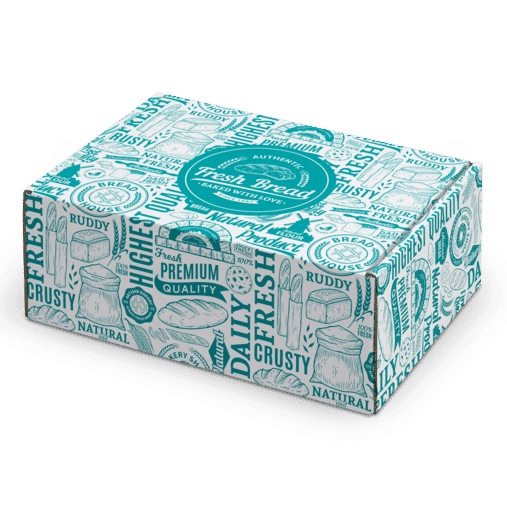
Digital Packaging Print offers a single-pass CMYK digital print onto a range of materials.
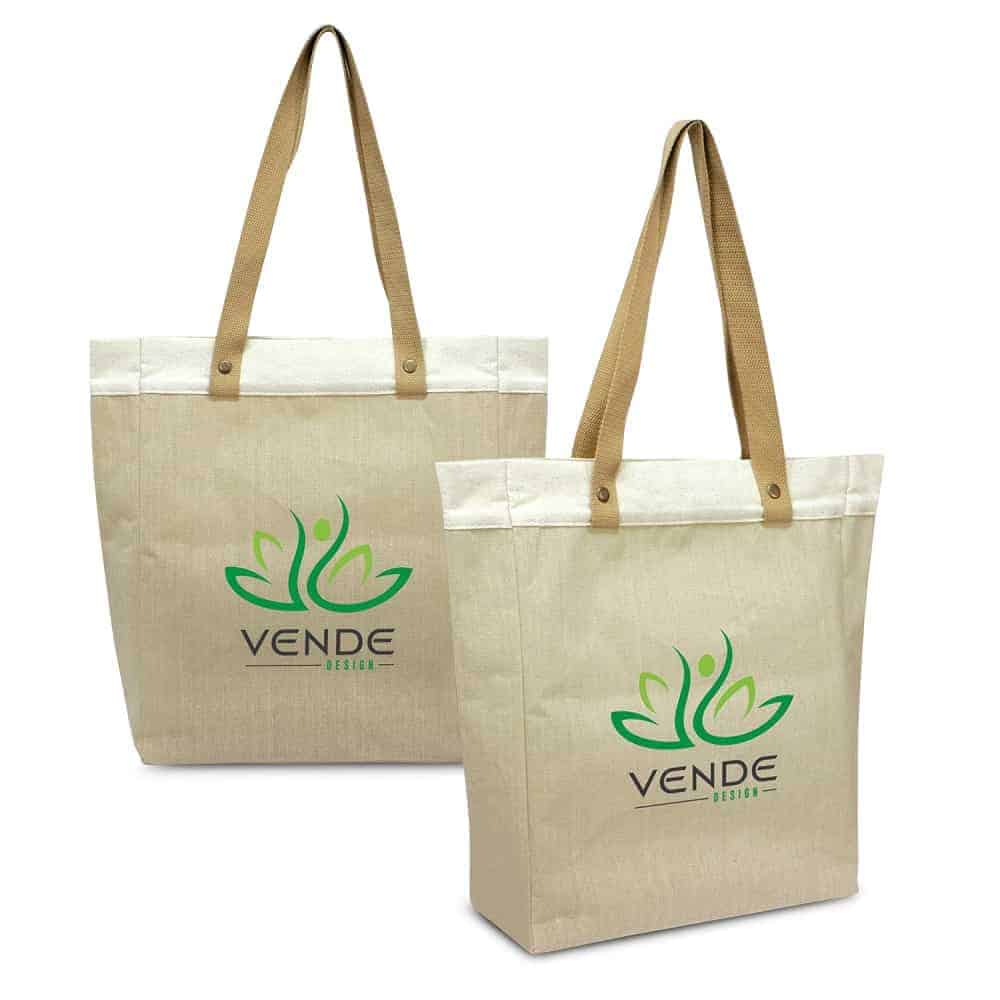
Flat Screen Printing onto products is achieved by forcing ink through a fine mesh screen with a squeegee and is ideal for branding most flat items and apparel.
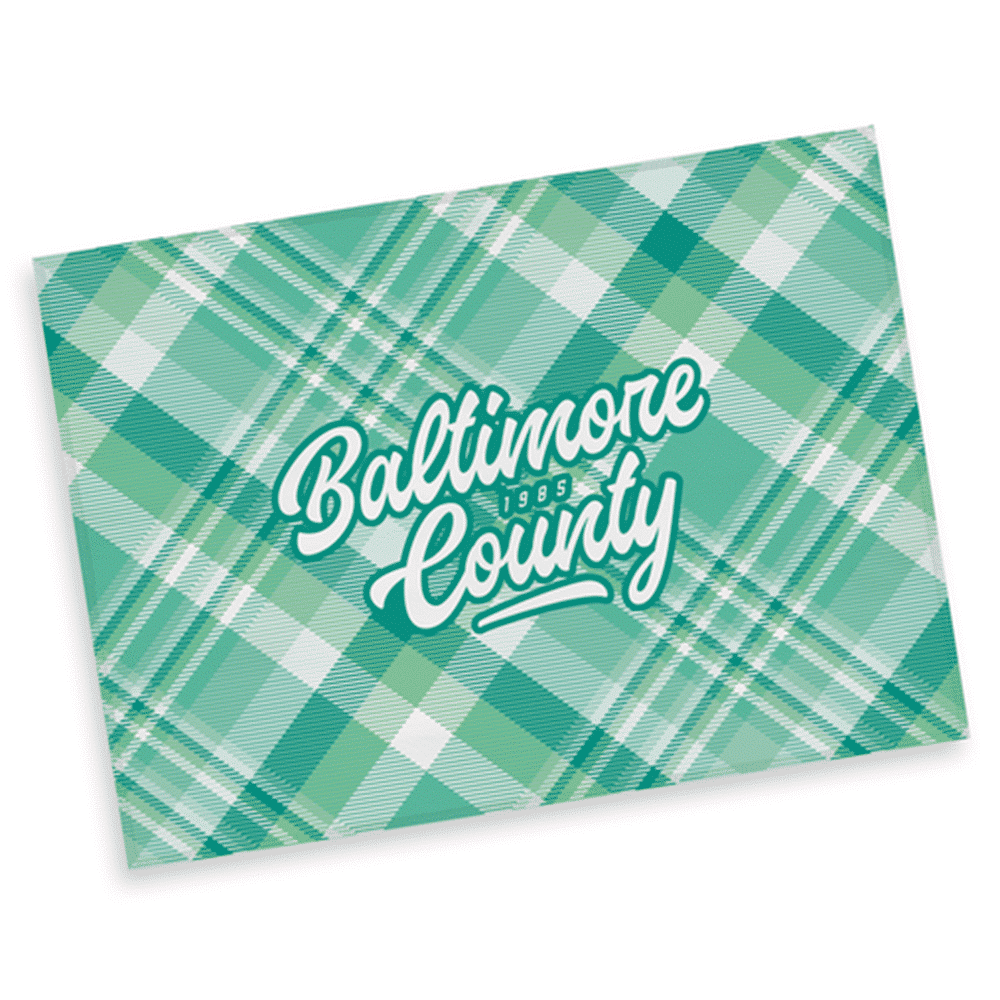
Dye sublimation print is used for branding products that have a special coating, or fabrics suitable for the sublimation process. A transfer is used by printing sublimation ink and then heat pressing it onto the product.
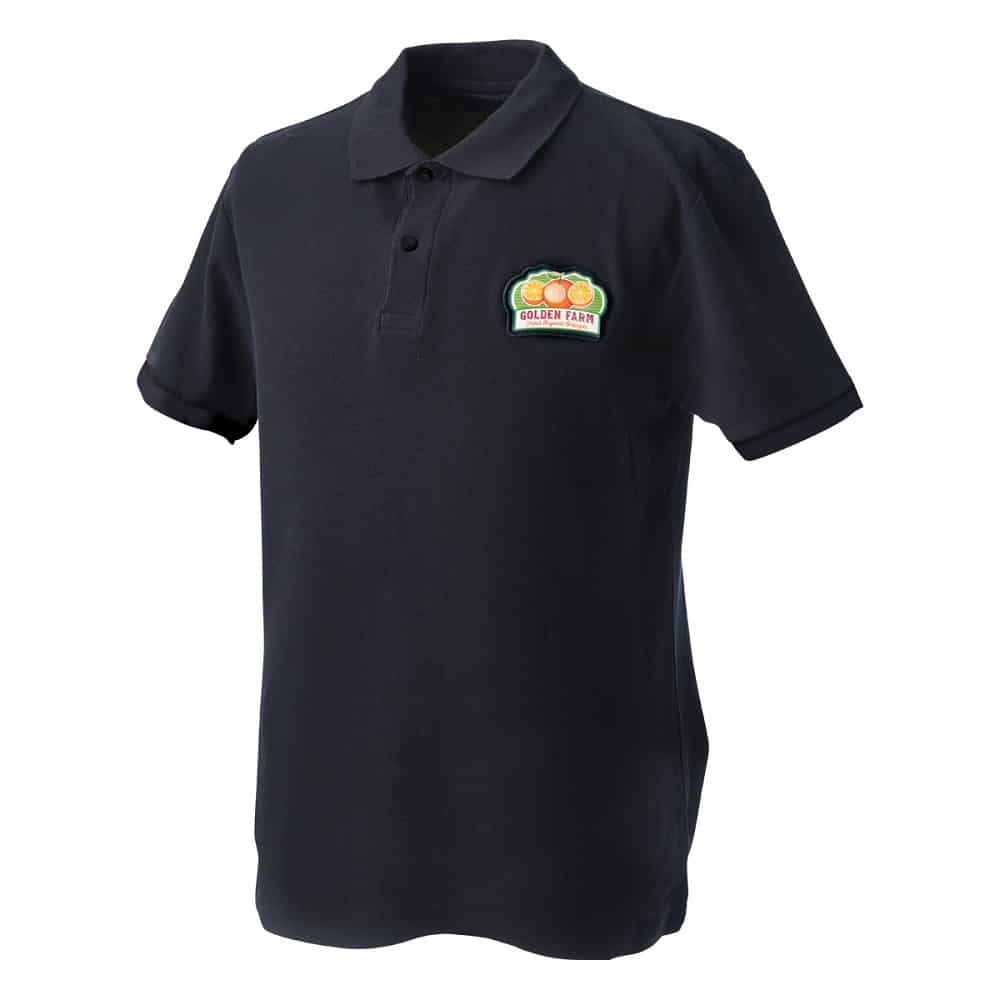
Supasub is a proprietary technology that is exclusive to a selected range of products, perfect for when the detail in a logo can’t be reproduced with embroidery but you still want the look of embroidery. Supasub gives fantastic detail, vibrancy and quality but the embroidered edge offers a real style.
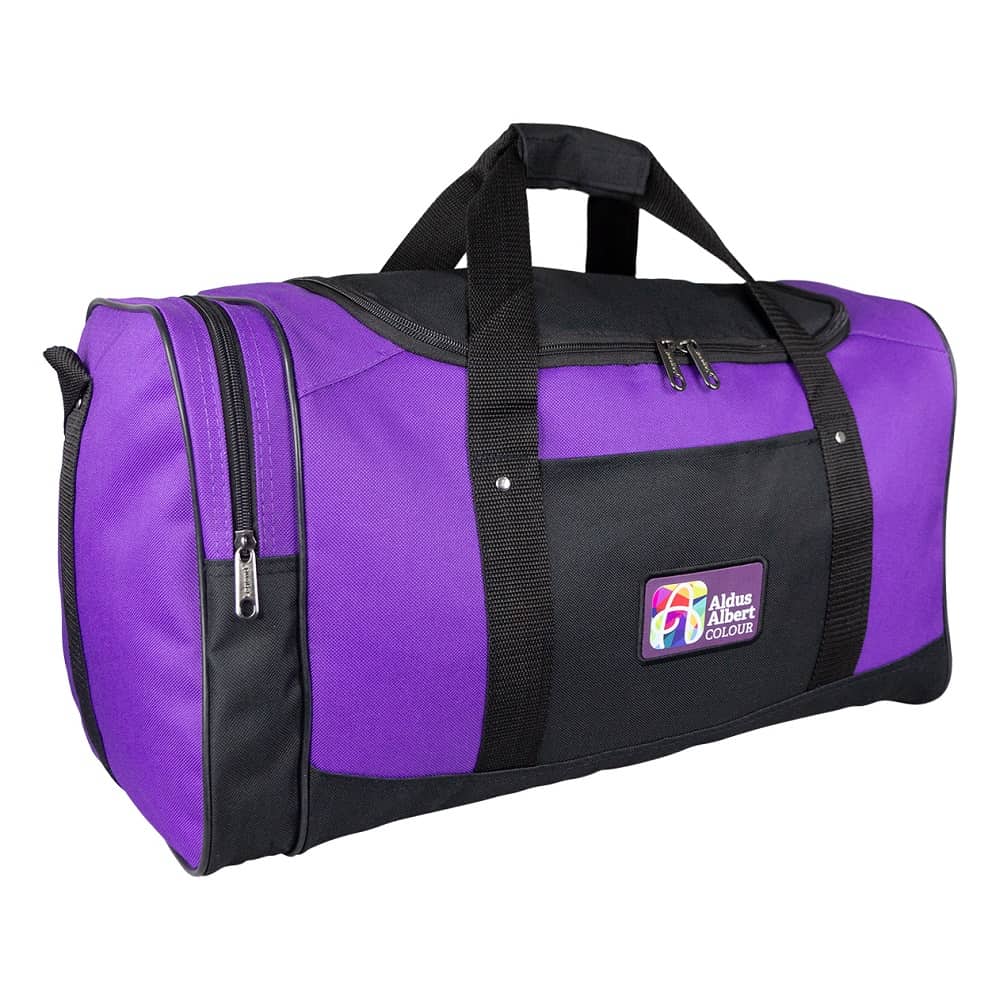
Supaflex is a new branding option that expands on branding with a great style for patches. Offering high detail logos with a matte or gloss finish and attached with embroidery for a quality result. Supaflex is perfect for Caps, Bags, Beanies and Scarves.
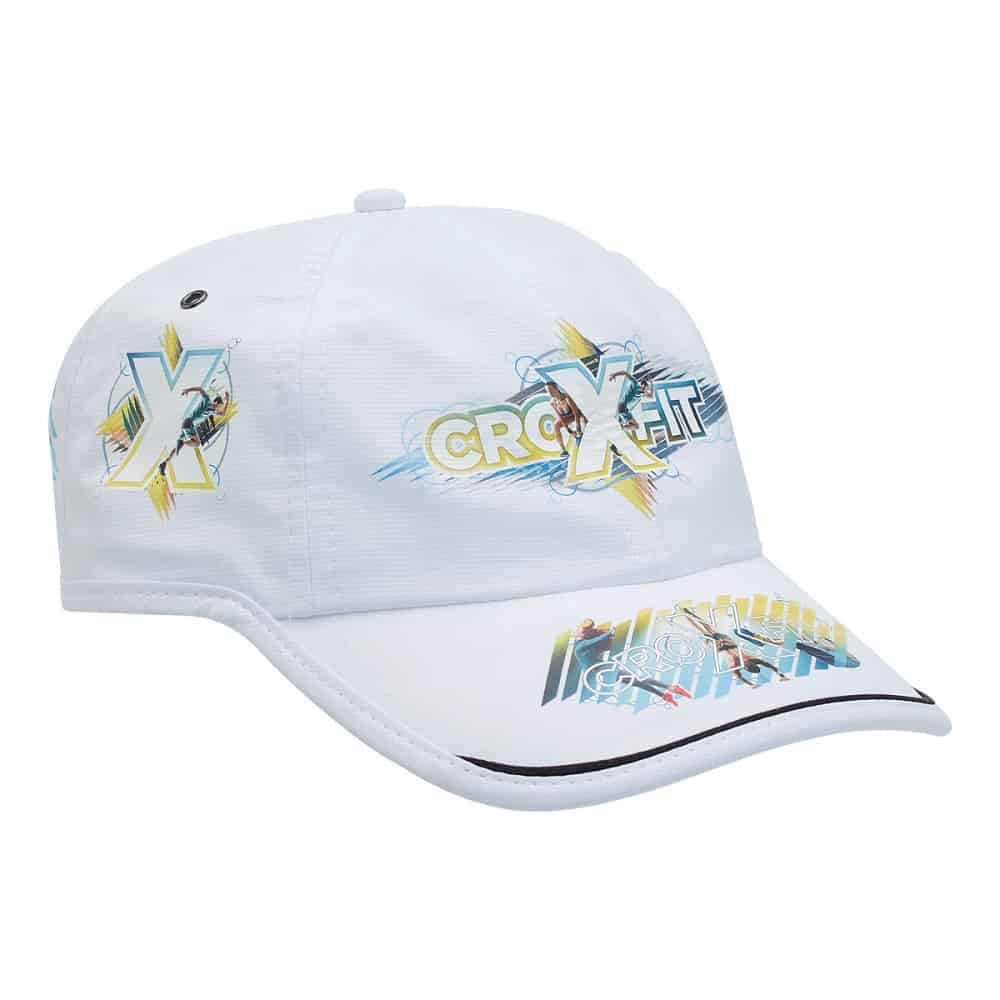
Supacolour is the latest technology in digital reproduction of logos. It is a proprietary technology that is exclusive to a selected range of products. It can reproduce logos perfectly without a need to compromise.
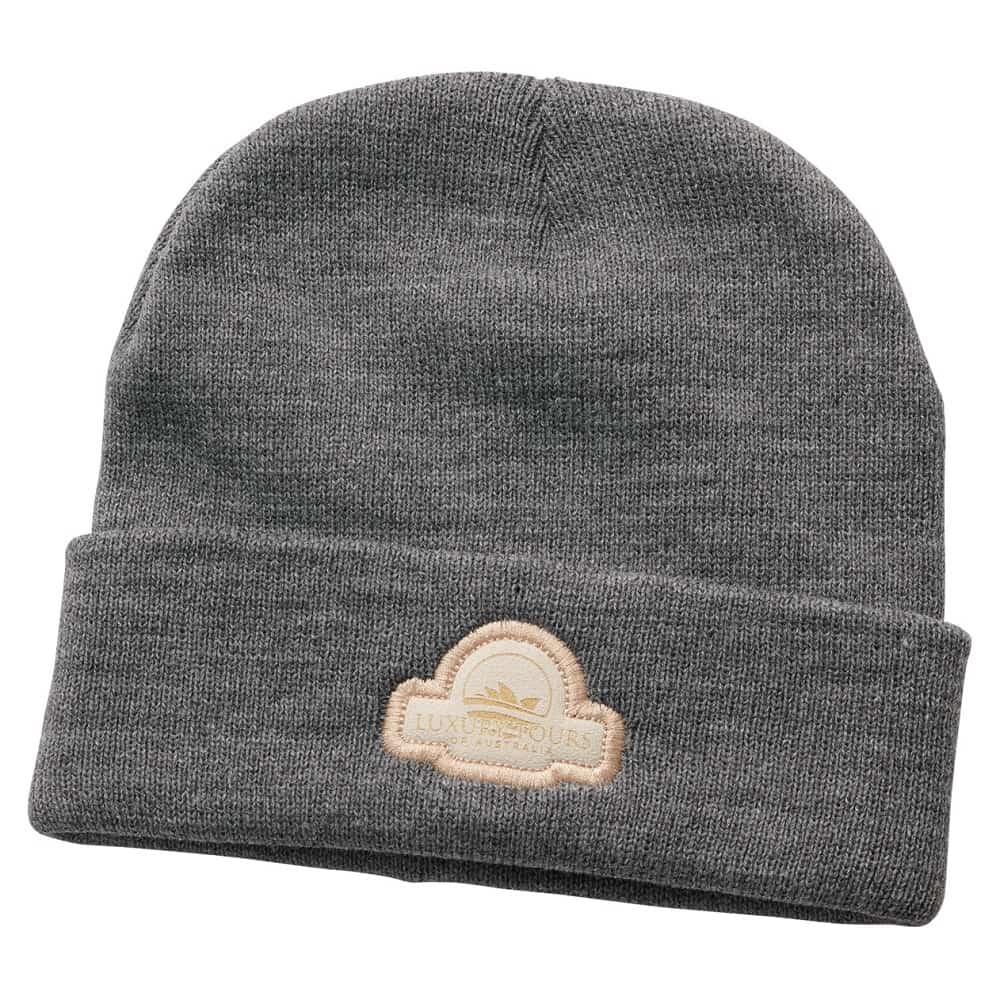
Supaetch is a laser-etched suede patch that is laser-cut then over locked onto a range of products like, headwear, bags, blankets, beanies and scarves. Available in 11 different colour contrasting suedes with the ability to select either a contrast or matching stitch.
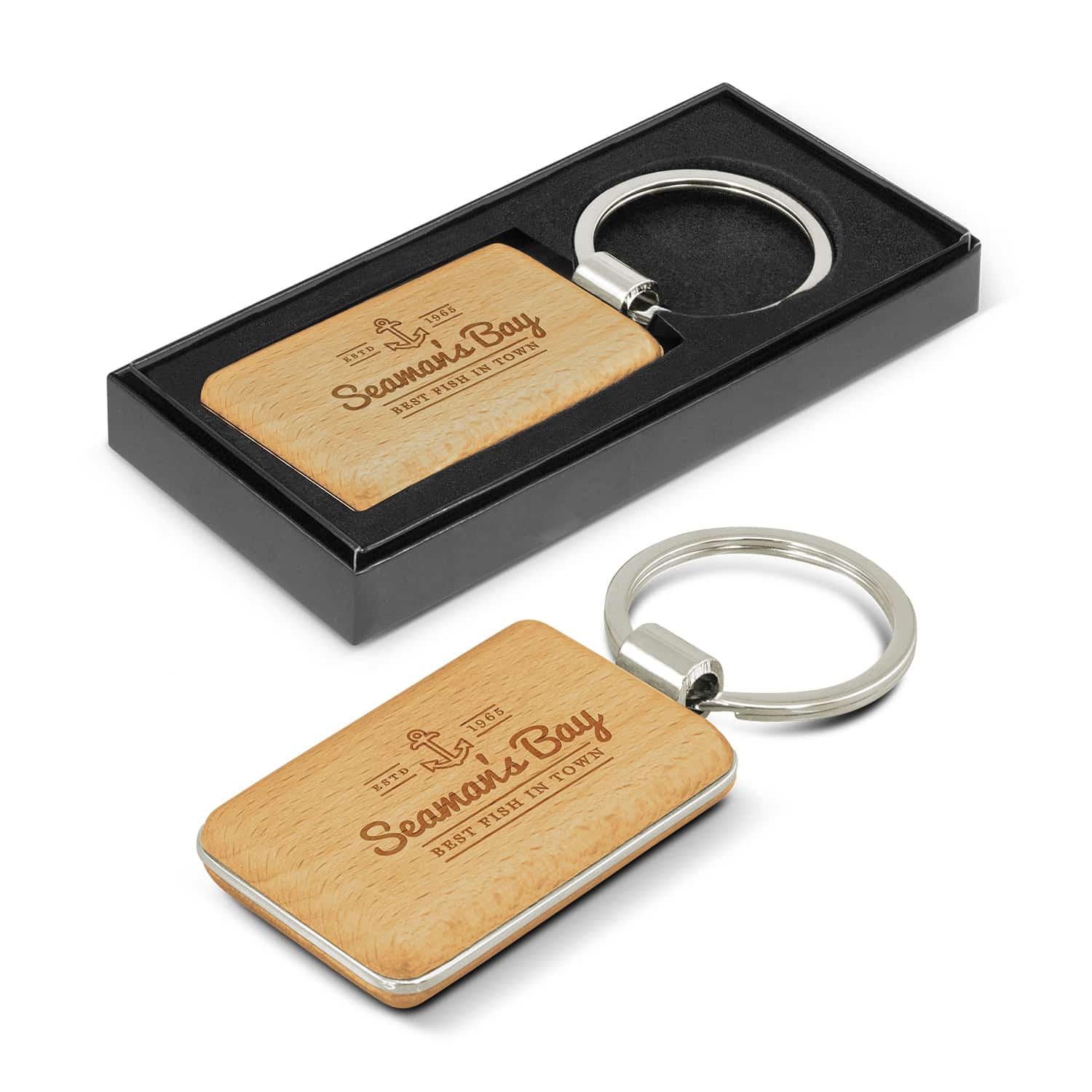
Laser engraving is a permanent branding process that uses a laser to engrave artwork into the surface of the product. Different base materials produce different engraving finishes.
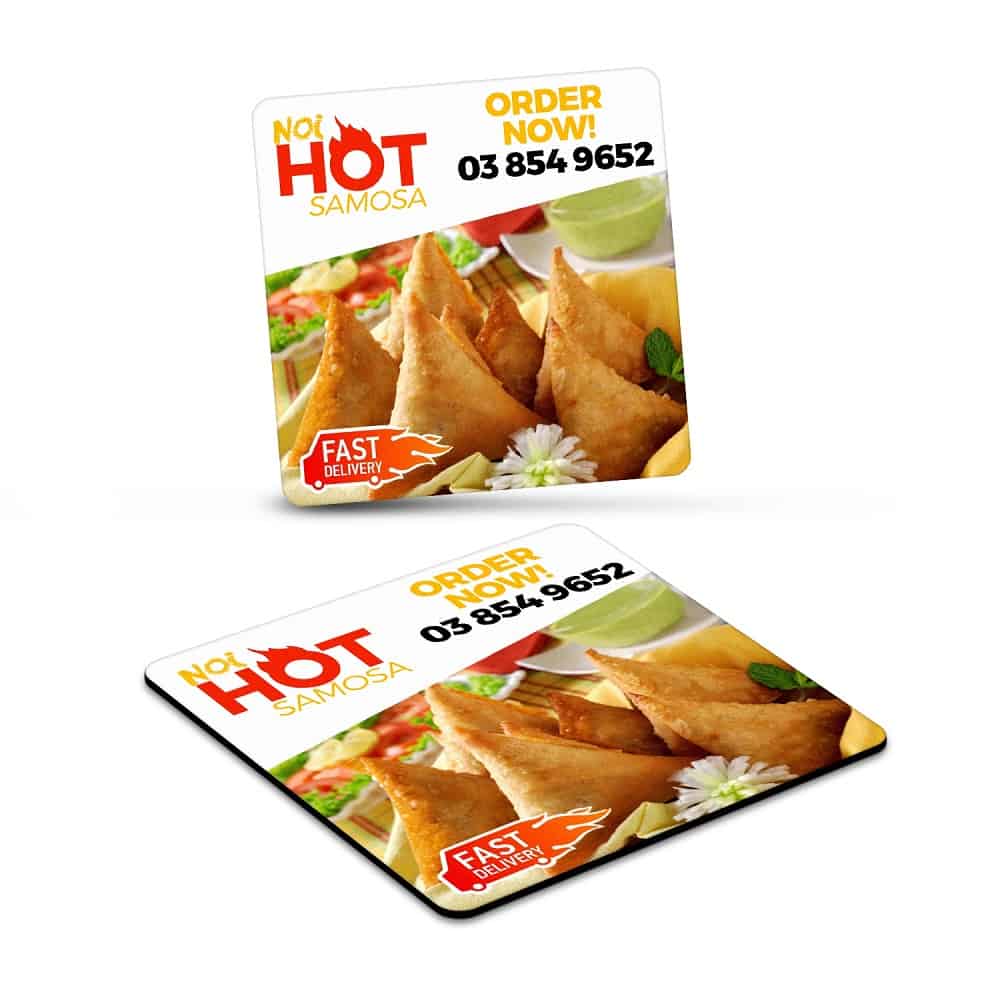
Standard digital printing is used for printing mechandise such as paper, vinyl and magnetic materials used in the manufacture of labels, badges, and fridge magnets etc. This printing process uses CMYK printing process (no white).
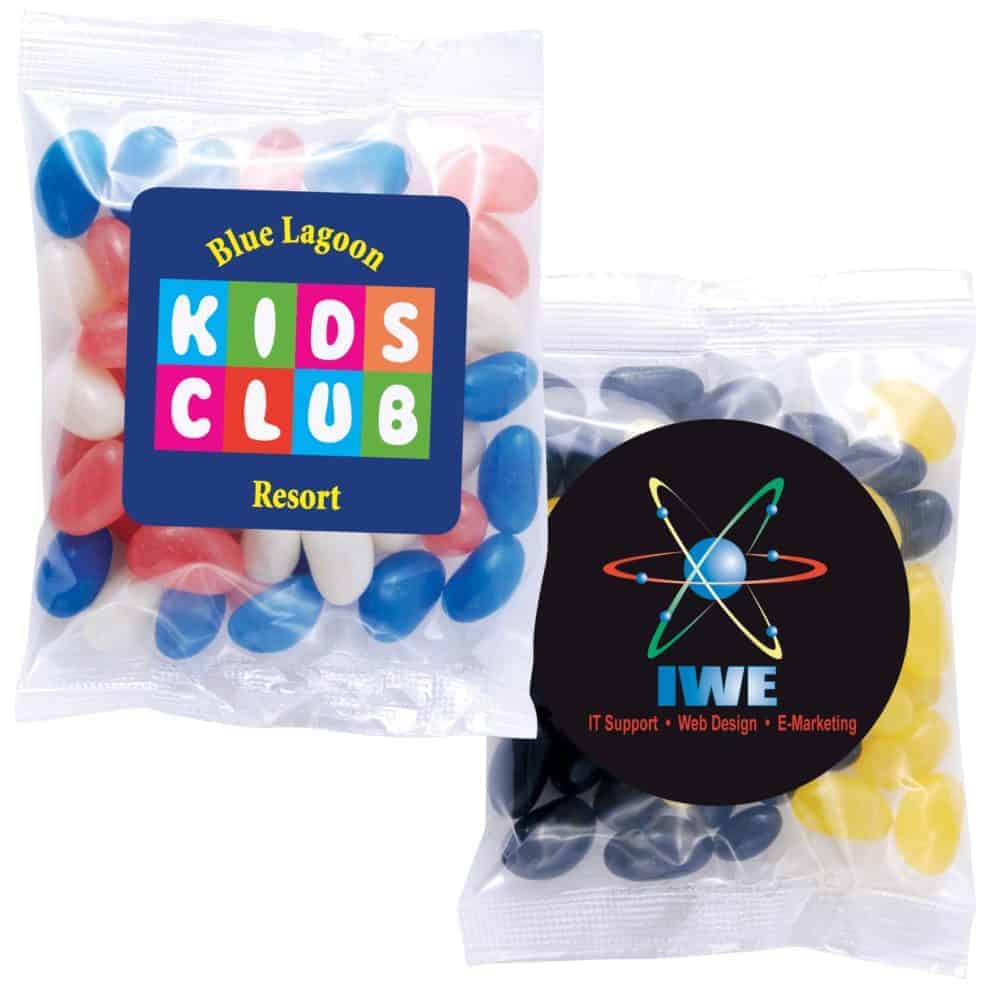
Digital printed labels are used to brand products that are unable to be branded with any other method. They are printed with a digital printer and applied to the products.
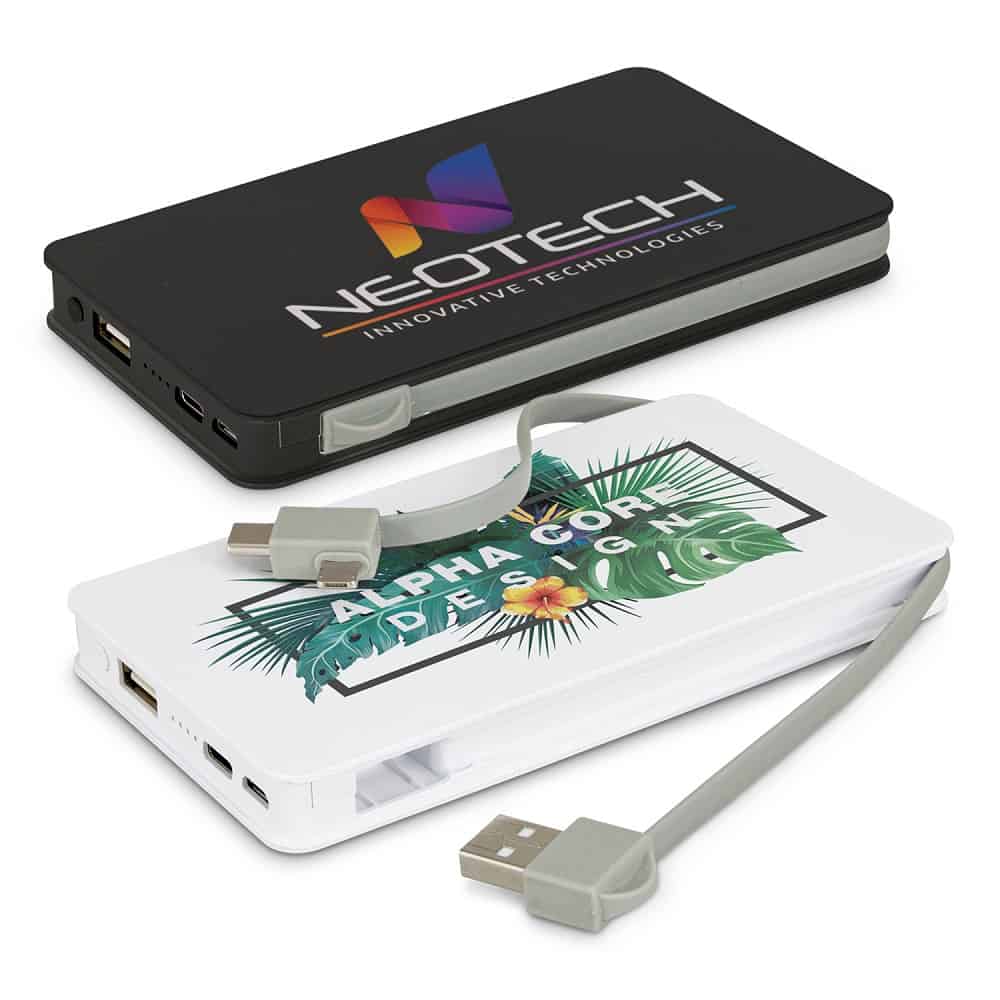
Direct digital printing involves printing directly from the flat bed print heads of an inkjet printer including white. It will produce both full colour and closely matched spot colour branding on flat or slightly curved surfaces.

Debossing uses a heated custom made metal plate and when pressed firmly onto the product leaves an impression of the artwork. Thermo debossing is also available on certain products, using additional heat to create a unique and eye-catching two-tone finish.
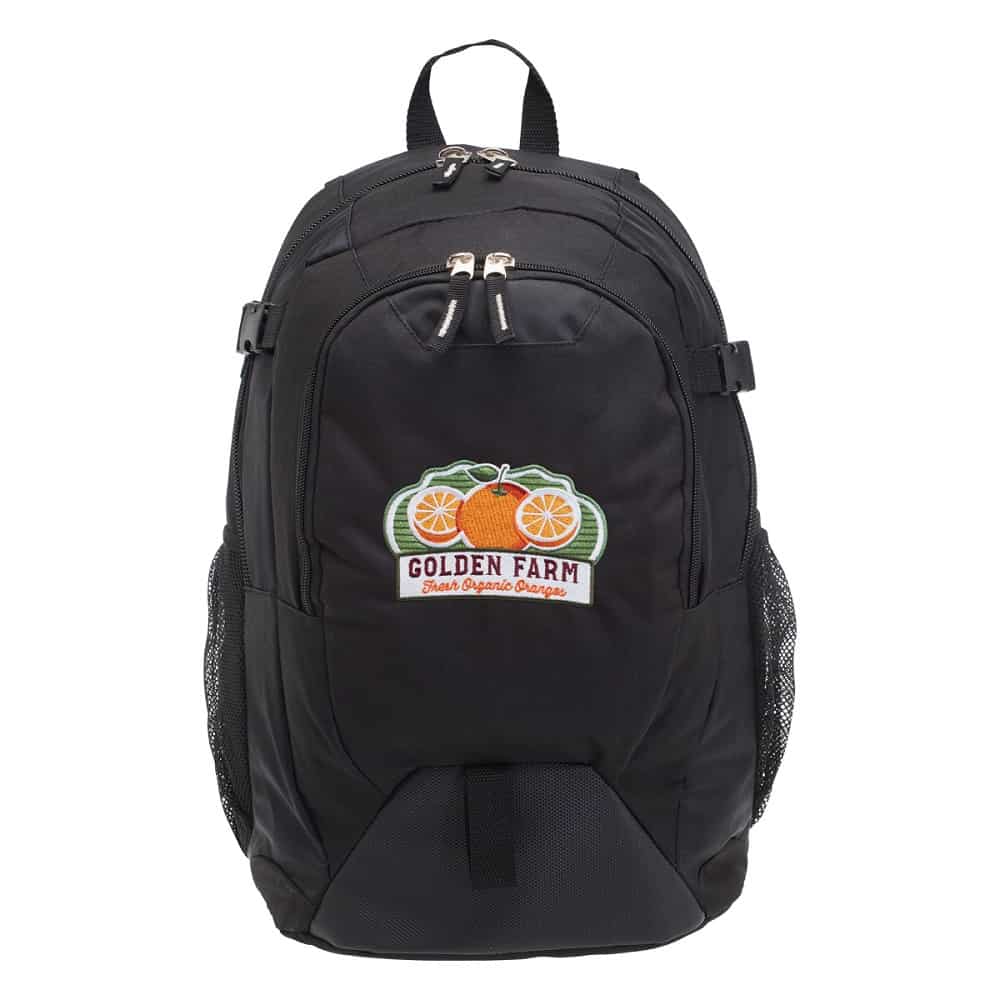
Embroidery is an excellent way of branding bags, apparel, and other textile products. It offers higher perceived value and a depth of branding quality which other processes cannot match and has a slightly raised effect.
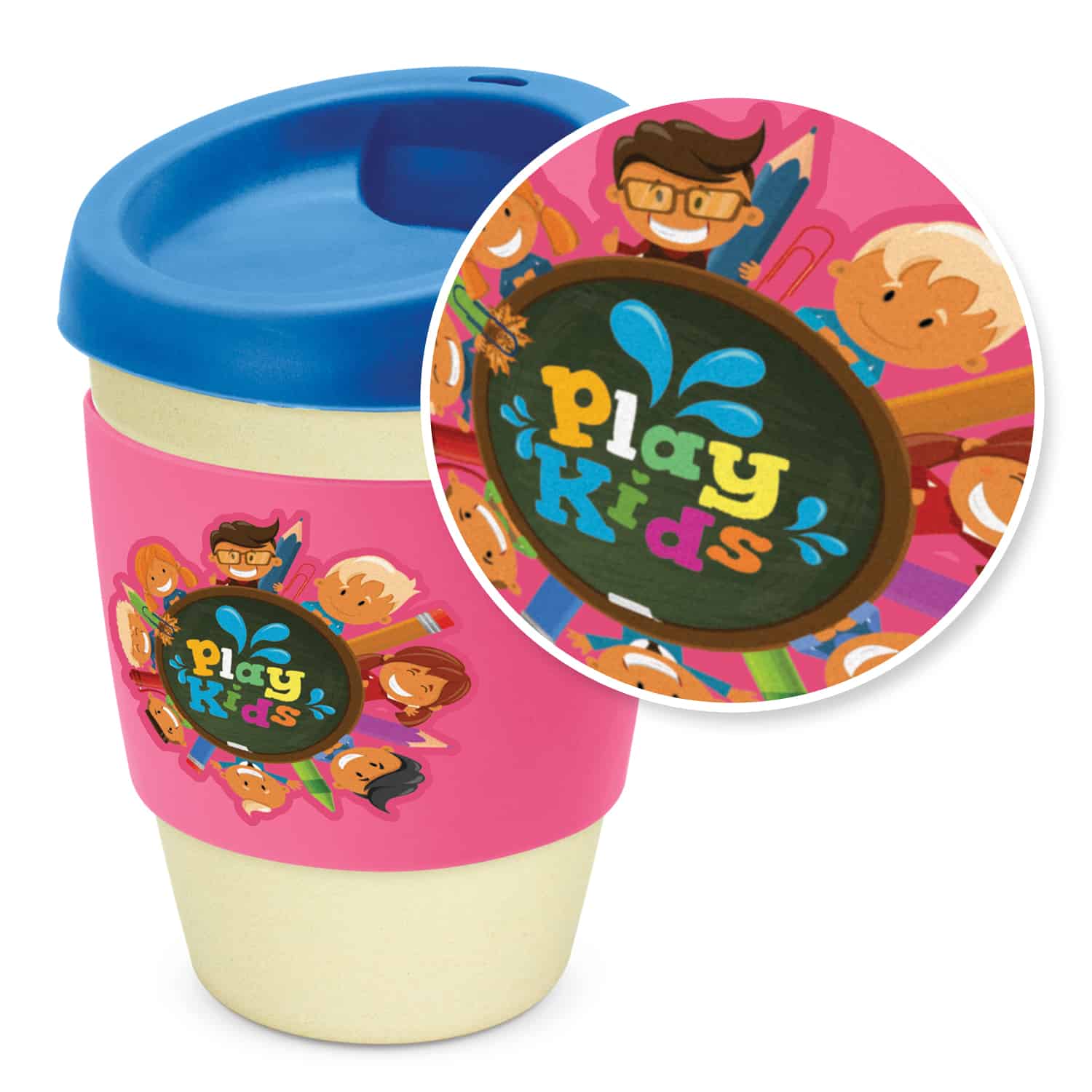
This production branding method uses CMYK+W digital branding process designed specifically for silicone surfaces.
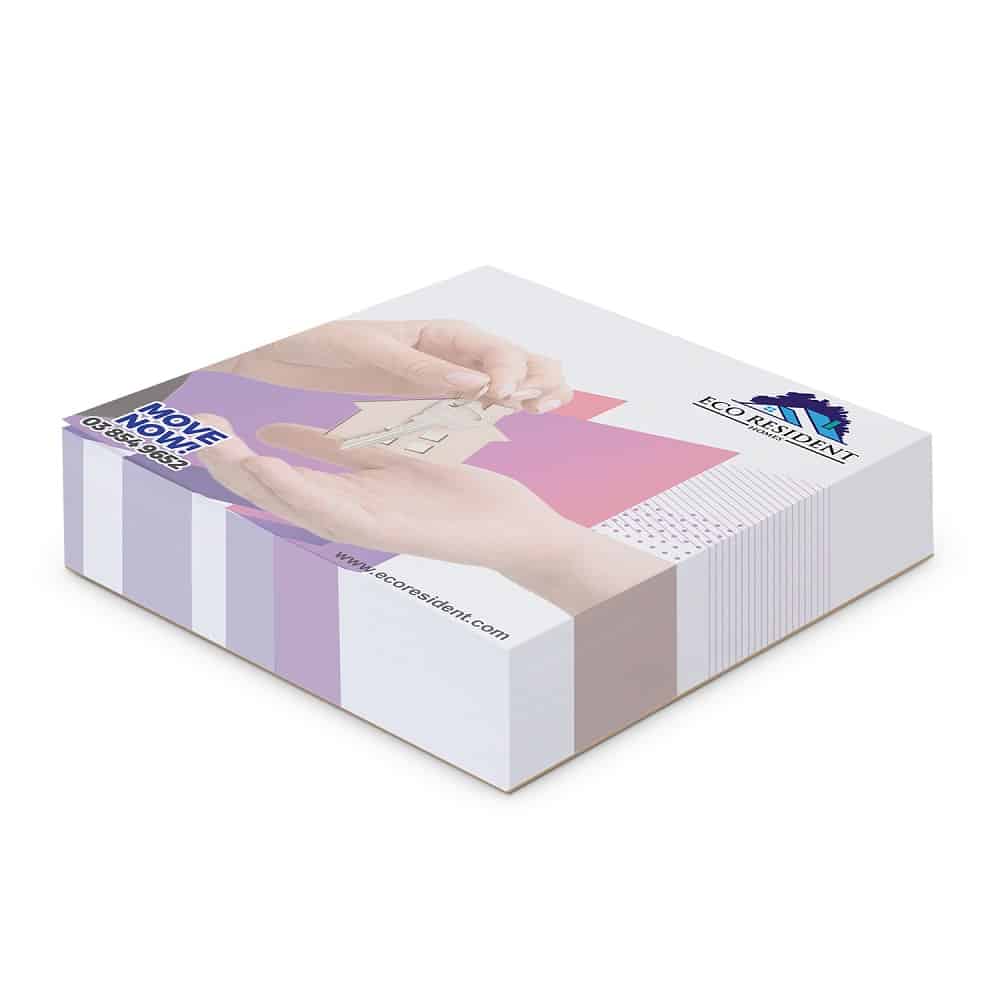
Offset printing uses an etched surface of a metal plate and filled with ink. The paper/substrate is pressed against the inked plate, transferring it to the material. Offset printing is one of the most common ways of creating note pads, business cards, brochures and stationery.
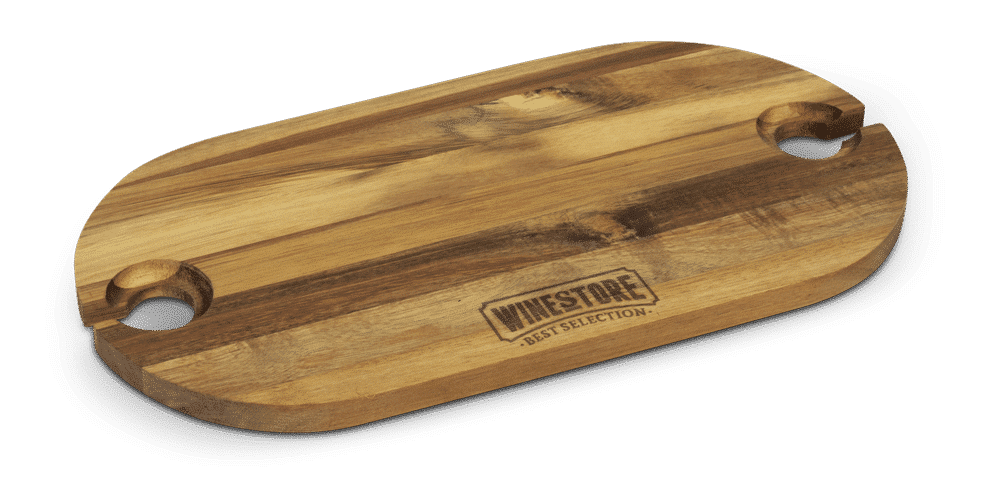
Hot Stamping is a printing method that creates an indented design on the product surface using a heated custom metal plate. This plate is pressed firmly onto the product surface, leaving a permanent impression of the artwork. It's often used on materials like wood.