Effective Branding Solutions for a Sustainable Future!

Promotional merchandise performs best when individual products are selected and used with a clear purpose in mind. Different items lend themselves to different marketing outcomes, depending on how, where, and why they are distributed. Understanding the strengths of specific product types helps businesses align branded merchandise with real-world use cases rather than relying on generic giveaways.
Articles in this collection focus on how individual promotional products contribute to brand visibility, recognition, and recall across common business scenarios. Each product type offers distinct advantages based on factors such as usability, longevity, audience relevance, and exposure frequency. When these factors are considered early, promotional merchandise becomes a strategic brand asset rather than an afterthought.
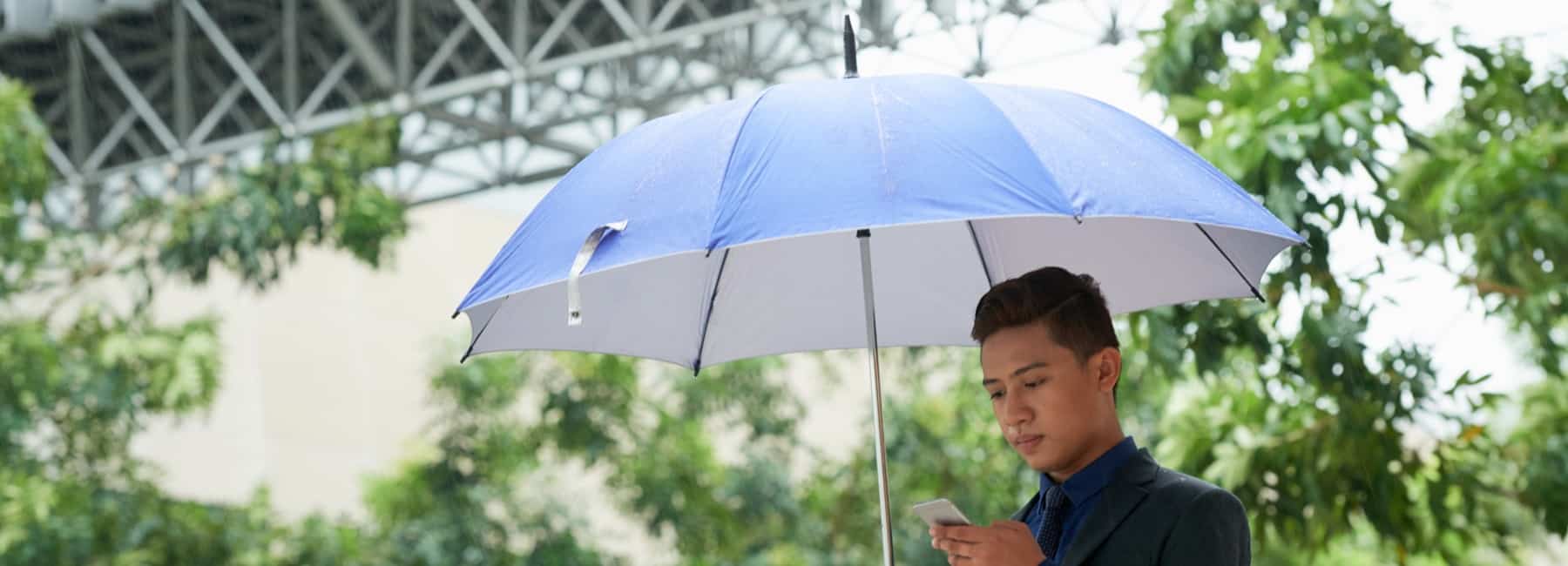
Apparel, outdoor items, stationery, and functional accessories are often used to reinforce brand presence over extended periods. For example, items like promotional t-shirts support visibility in team-based environments and public-facing activities, while weather-related products such as custom branded umbrellas extend brand exposure beyond indoor or event-only settings.
Selecting the right promotional product starts with identifying the intended outcome. Some products are designed to maximise reach through repeated public exposure, while others focus on daily utility within workplaces or client environments. Product-specific planning allows businesses to match merchandise to objectives such as awareness building, event support, internal engagement, or client retention.
Visibility-focused products are typically used in situations where repeated exposure matters, such as conferences, outdoor events, or team activities. Practical items that integrate easily into everyday routines tend to support longer-term brand reinforcement, especially when they remain in regular use long after initial distribution.
Different promotional products naturally suit different environments. Apparel is often associated with team identity, sponsorships, and community-facing activities. Accessories and functional items are commonly used in office settings, onboarding packs, or client-facing interactions. Understanding where a product is likely to be used helps determine whether it will deliver short-term visibility or long-term brand reinforcement.
Campaign-focused merchandise is frequently selected for specific moments, such as launches, seasonal promotions, or events. In these cases, the relevance of the product to the audience and environment is often more important than quantity. Products that feel appropriate and useful are more likely to be retained and used, increasing brand recall over time.
Product design plays a critical role in how promotional merchandise is perceived and used. Size, colour, material, and branding placement all influence whether an item feels practical or disposable. Products with subtle branding and thoughtful design are often used more frequently, extending their lifespan and effectiveness.
Articles within this category explore how design choices affect usability and perception across different product types. These insights help businesses understand how branding decisions can enhance or limit the effectiveness of specific promotional items without overcomplicating the selection process.
Does Your Promotional Pen Suit Your Company’s Image?
Backpacks Are Great Promotional Products. Here’s Why
Make a Splash with Branded Umbrellas
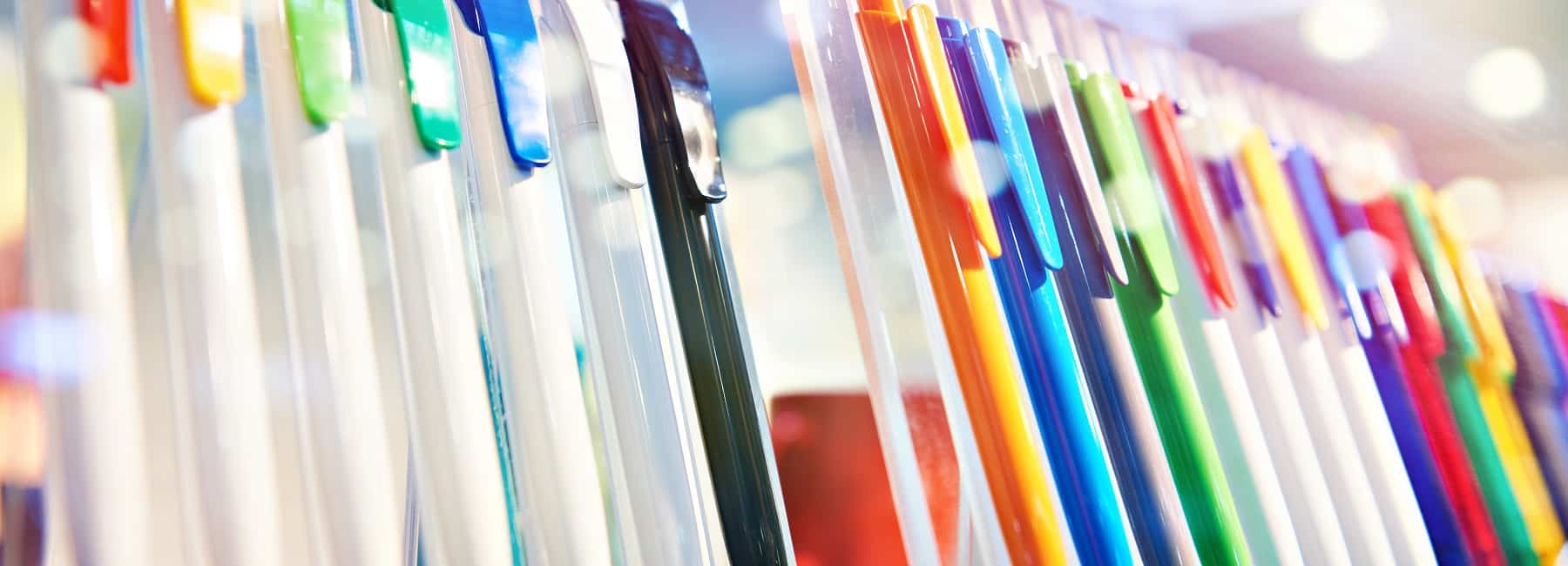
The Power of Personalised Pens: Why They’re a Timeless Marketing Tool
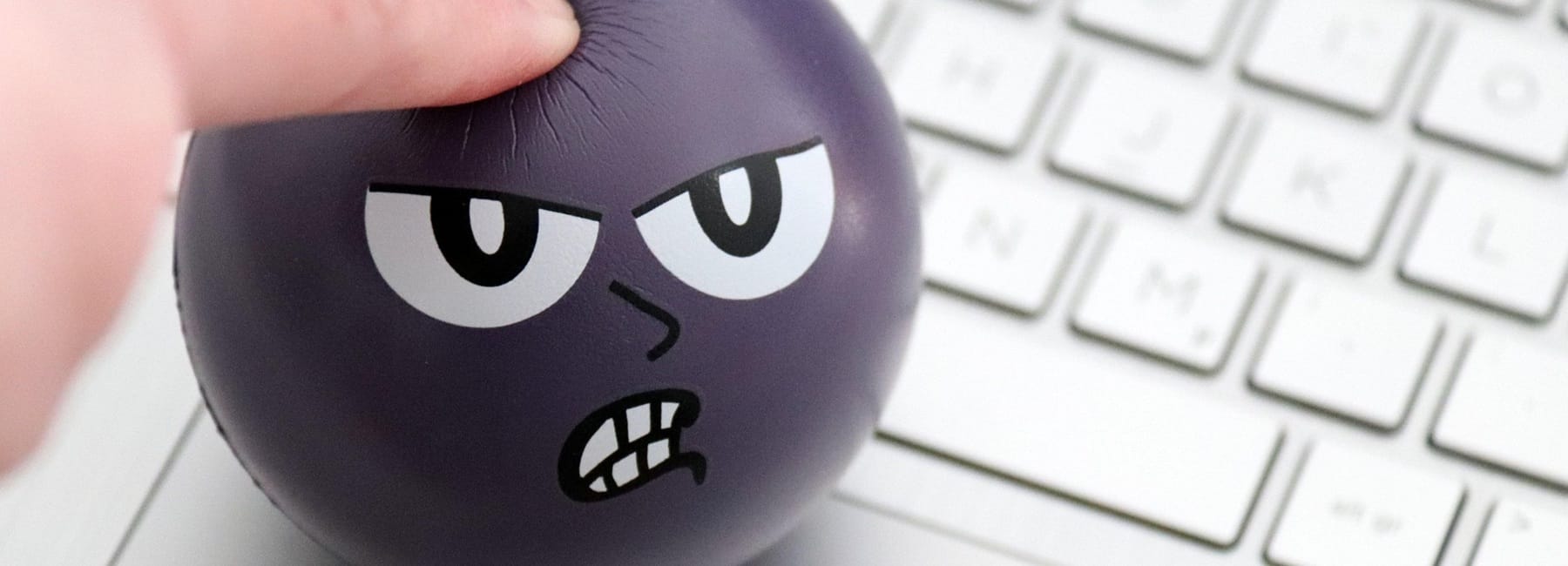
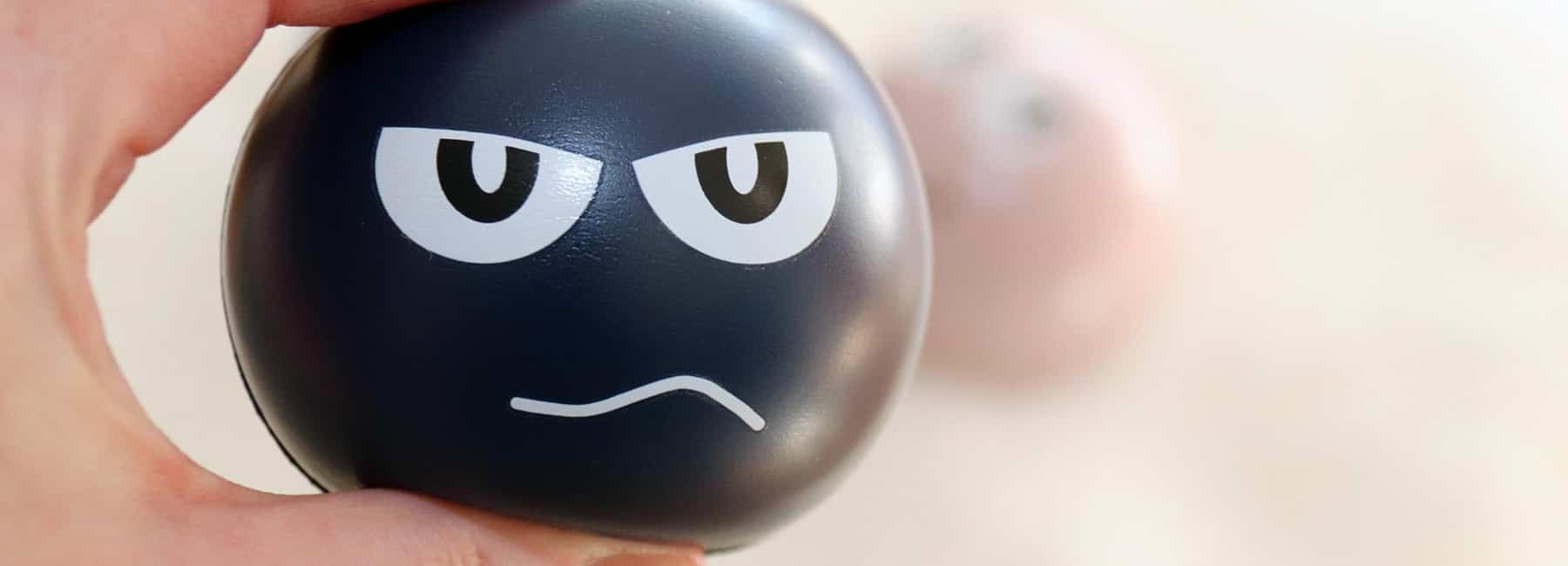
Stress Balls Are a Fantastic Promotional Product. Here’s Why
Beyond the Cap: Exploring Promotional Headwear Styles