Effective Branding Solutions for a Sustainable Future!


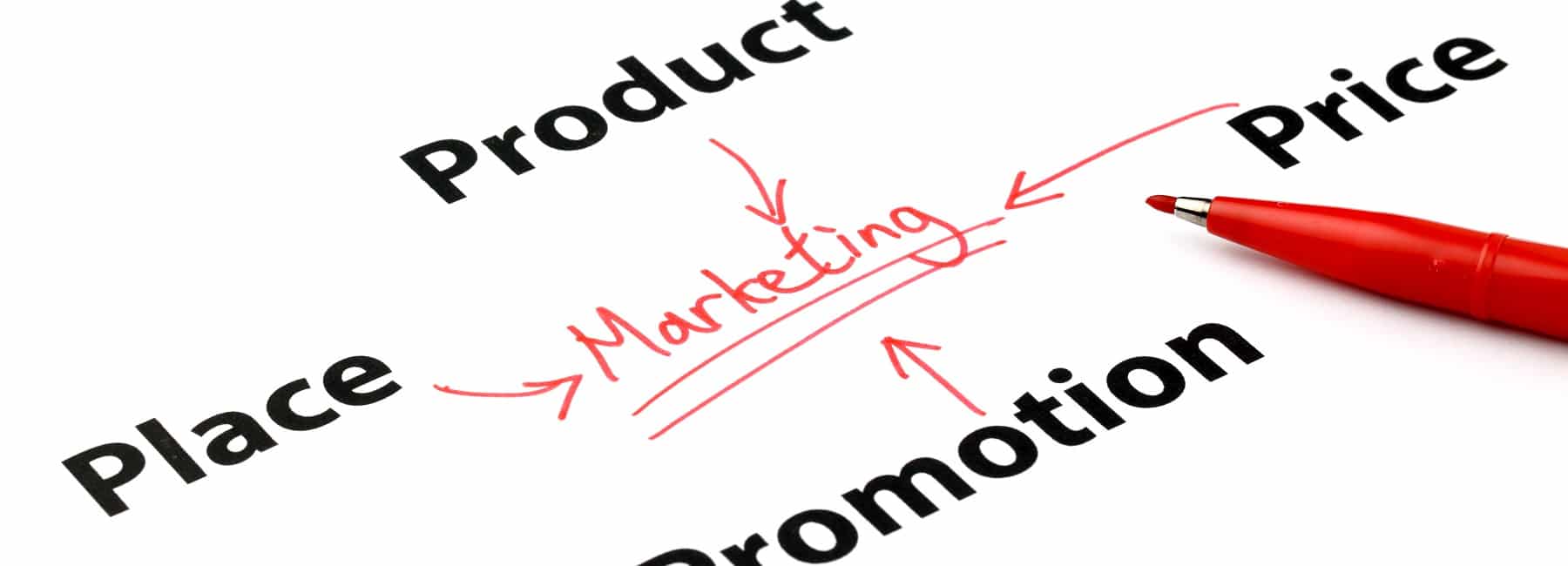
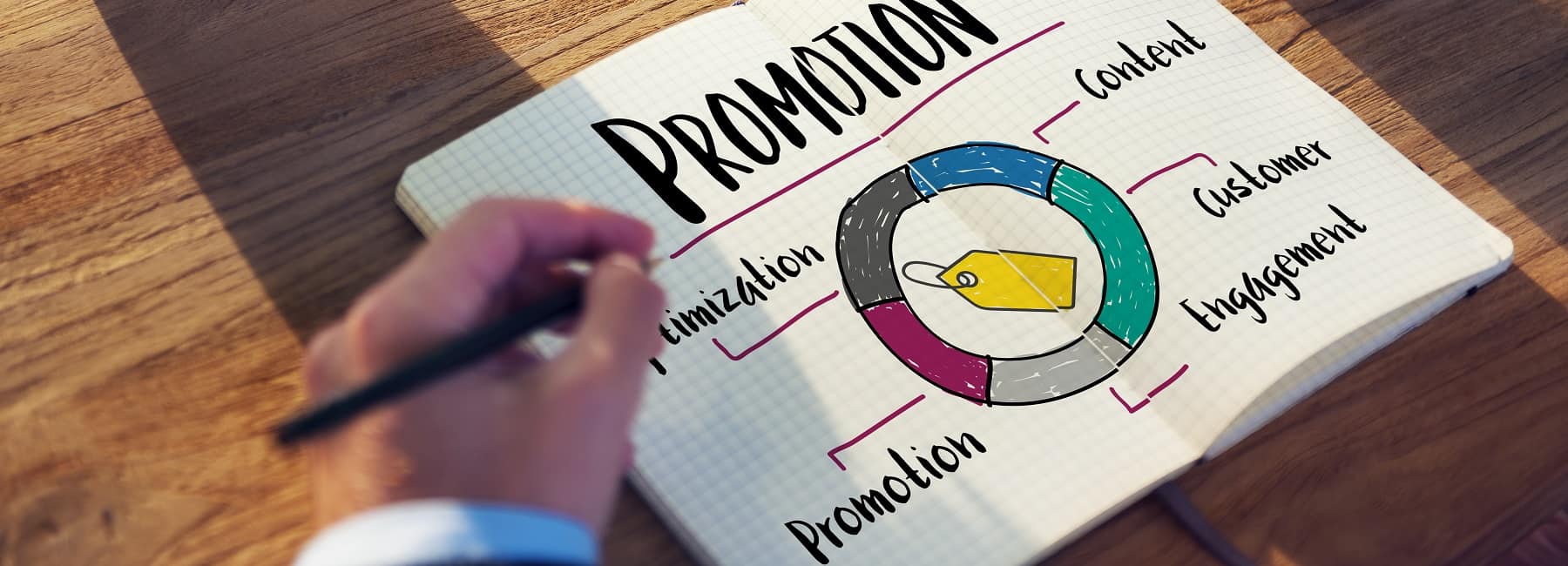


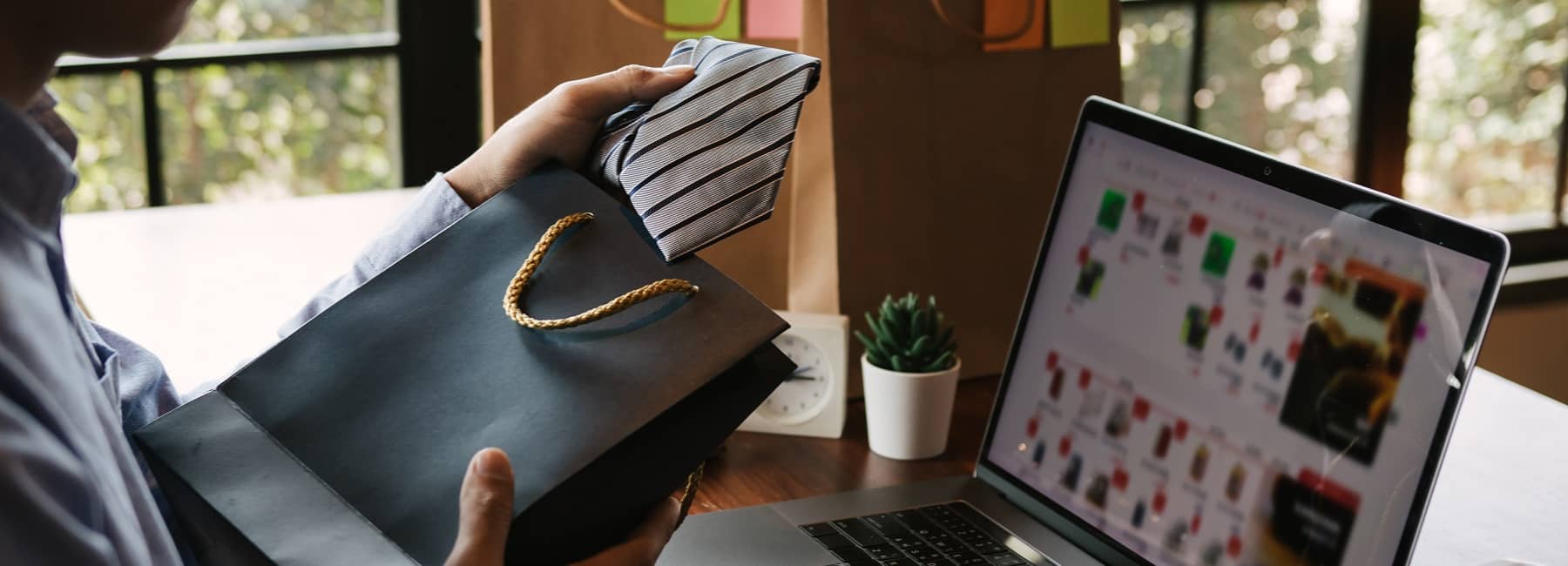
This category explores marketing principles and buyer behaviour insights that help businesses understand how promotional products influence decision-making, brand perception, and long-term customer engagement. Marketing decisions are rarely driven by logic alone. Buyer psychology plays a significant role in how brands are perceived, remembered, and trusted over time. Promotional products form part of this process by creating tangible brand touchpoints that influence attention, emotion, and recall in everyday business environments.
Understanding how people interact with branded merchandise helps businesses make more informed marketing choices. Factors such as usability, colour, material, and frequency of exposure all contribute to how a brand is experienced beyond digital or printed advertising.
Items designed for repeated handling, such as promotional keyrings, create regular brand exposure in low-effort ways. Because these products are integrated into daily routines, they support long-term brand recognition rather than short-term visibility.
Tactile interaction also plays an important role in perception and engagement. Products like promotional stress balls are often associated with moments of focus, relief, or problem-solving, subtly reinforcing positive emotional connections with a brand. These associations can strengthen recall when decision-making occurs later.
Colour psychology further influences how promotional products are received. Consistent colour use across merchandise helps reinforce brand identity, while certain colour combinations can convey trust, energy, or professionalism depending on the context and audience.
Marketing strategies that incorporate physical merchandise alongside digital touchpoints benefit from multisensory reinforcement. When combined with thoughtful logo application and finish choices, promotional products can support brand consistency across campaigns, events, and internal initiatives. Additional considerations around application methods are explored through branding and decoration options.
