Effective Branding Solutions for a Sustainable Future!


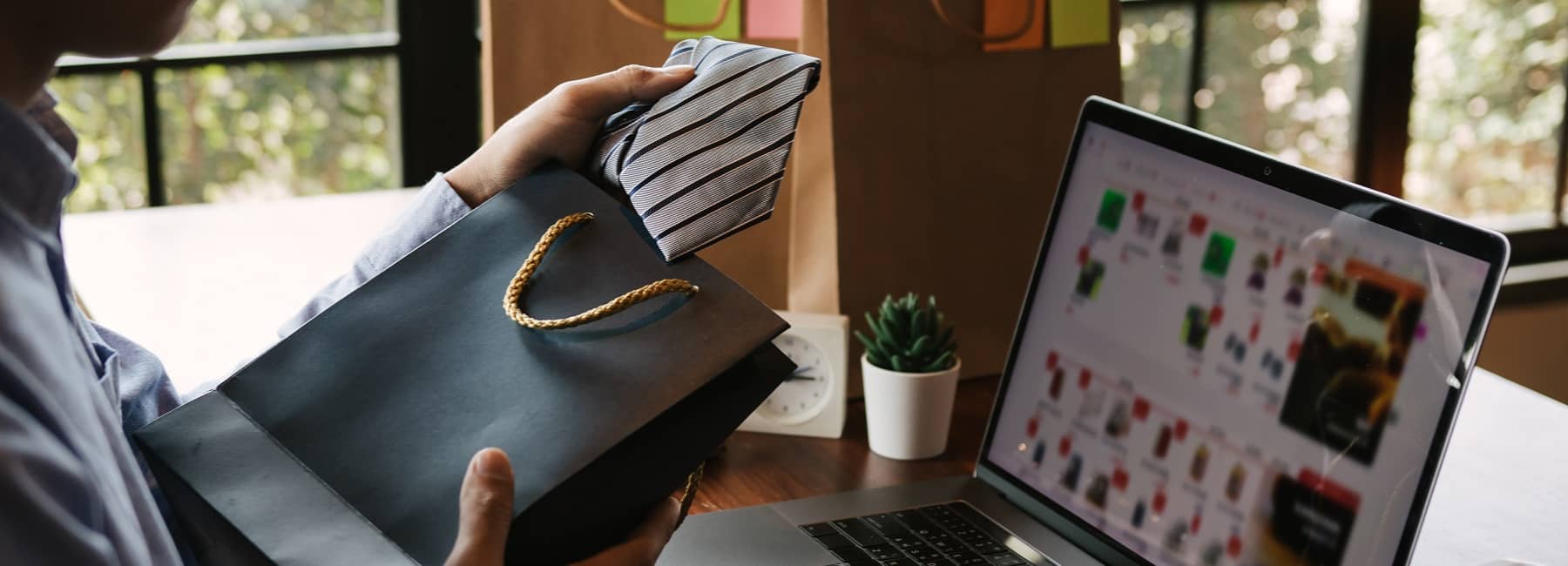
Marketing decisions often come down to allocation rather than intention. Most businesses understand that promotion is necessary, but uncertainty arises when deciding where budgets should be placed and how much weight each channel deserves. Branded promotional products are frequently included in marketing plans, yet their budget share is often decided late or without clear reasoning.
At Coastal Direct, we regularly speak with Australian businesses that want a more practical way to approach this decision. The aim is not to overspend or underinvest, but to allocate funds in a way that supports visibility, consistency, and long-term brand recognition without unnecessary waste.
This article looks at how branded promotional products fit into an overall marketing budget, how businesses typically approach allocation, and what factors influence the amount that makes sense for different stages of growth.
Branded promotional products are physical items customised with a business name, logo, or message and distributed to customers, staff, prospects, or event attendees. Their role differs from traditional advertising because they are designed to remain in use rather than deliver a one-time impression.
Unlike digital ads or broadcast media, promotional products are not tied to a fixed display period. A mug, bag, notebook, or power bank may remain in circulation for months or years. Each use creates a passive reminder of the brand without requiring further spend.
In the Australian market, branded merchandise is used across a wide range of industries and contexts. Items such as custom pens, promotional drinkware, reusable bags, USBs, promotional power banks, apparel, and eco-conscious products are commonly selected because they integrate easily into everyday routines.
When budgeting, the key consideration is not only cost per item, but how often that item is likely to be used and whether it fits naturally into the recipient’s environment. Products that are practical and relevant tend to justify a larger share of budget over time.
For newer businesses, marketing budgets are typically higher as a percentage of projected revenue. Brand awareness has not yet been established, and multiple channels are often required to gain traction. This usually includes a combination of digital activity, content, and physical brand materials.
As a business becomes more established, overall marketing spend often stabilises or reduces relative to revenue. However, this does not eliminate the need for branded promotional products. In many cases, these items become more targeted and are used to support specific activities such as events, client retention, onboarding, or partnerships.
There is no universal formula for how much should be allocated to promotional products. That said, many Australian businesses find that assigning a meaningful portion of the marketing budget allows them to choose items based on suitability rather than price alone. Treating promotional products as part of the core plan, rather than an add-on, generally leads to better alignment and fewer last-minute compromises.
Even as advertising methods change, promotional merchandise in Australia remains relevant because it occupies physical space in daily life. When an item is useful, it is kept. When it is kept, the brand remains visible.
In Australia, promotional merchandise is commonly used to support events, trade shows, workplace branding, community engagement, and customer follow-up. The effectiveness of these items depends largely on how well they match the recipient’s habits rather than how visually striking they are.
For example, technology accessories tend to suit mobile or office-based audiences, while reusable items align well with sustainability expectations and everyday use. Lower-cost items can still be effective when chosen carefully, but their lifespan should be considered when assessing value.
Budget planning should also account for variables such as production timelines, material availability, and freight costs. Allowing a buffer reduces the likelihood of needing to adjust product choice or branding quality later in the process.
The value of branded promotional products lies in duration rather than immediacy. While some marketing channels deliver short-term exposure, promotional items often provide repeated visibility over time.
In practical terms, this means a single item can generate multiple brand impressions simply by being used. This does not guarantee conversion, but it supports familiarity, which plays a role in decision-making when a need arises.
In Australia, many businesses continue to include personalised promotional merchandise because it offers predictability. Once distributed, the exposure does not fluctuate based on algorithms, bidding costs, or scheduling. The item either remains in use or it does not.
From our experience, outcomes are strongest when product choice reflects the business’s operating environment and the expectations of its audience. Quality, relevance, and restraint tend to matter more than novelty.
We look at how likely the item is to be used in everyday situations. Products that integrate naturally into work or personal routines tend to justify their cost more reliably.
Not necessarily. Higher-priced items can make sense for targeted distribution, while simpler items can be appropriate for wider reach. The context of use is more important than the price point alone.
Earlier planning provides more options and reduces pressure on budget and delivery. Late decisions often limit choice and increase cost.
Yes. Items given after a transaction or engagement can reinforce recognition and maintain familiarity without additional outreach.
Common issues include selecting items with little practical use or choosing products based solely on low unit cost without considering longevity.
Many environmentally conscious products are now competitively priced. Reusable items often align well with both budget control and audience expectations.
They often complement digital activity by reinforcing brand presence offline, particularly for businesses with longer decision cycles.
We approach branded promotional products as a planning exercise rather than a sales exercise. Our focus is on suitability, use, and consistency with how a business operates. By understanding where and how items will be distributed, we can help ensure budget allocation supports long-term visibility rather than short-term impact.
Promotional merchandise works best when it reflects how people actually interact with objects in their daily lives. If you are reviewing your marketing budget or preparing for an upcoming campaign, it may be worth reassessing how branded promotional products fit into that plan. A considered allocation can support steady brand presence without unnecessary complexity. If you would like to discuss product options, timelines, or practical budget planning, we are available to work through it with you and ensure the choices made align with how your business operates.
